
Join us in South Korea for ICNR2026!
Sign up to our mailing list here to receive updates
Workshops at ICNR2026 are either half-day or full day sessions dedicated to a specific topic. They are interactive in nature, potentially combining oral presentations, hands-on or demonstration activities, mini-poster sessions, panel discussions, etc. Contributors to the Workshops are invited and encouraged to submit Extended Abstracts (2 pages) which will be published in the Proceedings as a book upon acceptance.
Workshops are organized into:
Full-day Workshops

- Prof. B.J. Fregly, Rice University, USA
Abstract: This hands-on workshop will introduce ICNR attendees to the Neuromusculoskeletal Modeling (NMSM) Pipeline (https://nmsm.rice.edu), which is open-source Matlab-based software that adds Model Personalization and Treatment Optimization toolsets to the OpenSim musculoskeletal modeling software. In the morning session, attendees will complete hands-on tutorials to learn how to use the NMSM Pipeline’s Model Personalization and Treatment Optimization toolsets. Starting with a scaled generic OpenSim model and experimental motion capture, ground reaction, and EMG data, attendees will use the Model Personalization toolset to personalize 1) joint functional axes, 2) muscle-tendon model properties, 3) neural control model properties using muscle synergies, and 4) foot-ground contact model properties. Next, starting with this personalized model and the same experimental data, attendees will use the Treatment Optimization toolset to perform 1) a Tracking Optimization that closely reproduces all available experimental data using joint torque or muscle synergy controls, 2) a Verification Optimization that verifies the controls found by Tracking Optimization can reproduce the experimental data without tracking it, and finally 3) a Design Optimization that performs predictive simulations to design a clinical intervention. In the afternoon session, attendees will choose between two hands-on clinical treatment design projects, using the relevant NMSM Pipeline tools to complete the selected project. The first project will design a high tibial osteotomy surgery for an individual with bilateral medial knee osteoarthritis, with the goal of reducing the peak adduction moment in both knees to a desired value. The second project will design a synergy-based functional electrical stimulation prescription for the paretic leg of a subject post-stroke, with the goal of equalizing propulsive and braking impulse between the two legs while also increasing walking speed to a desired value.
Topics of interest:
1. Neuromusculoskeletal modeling
2. Model personalization
3. Computational treatment design
4. Predictive walking simulation
5. Stroke neurorehabilitation
Target audience:
The target audience is individuals involved in neuromusculoskeletal modeling research who would like to learn how to 1) personalize their neuromusculoskeletal models to subject movement data, 2) develop predictive walking simulations that closely reproduce all of the subject’s available experimental data, and 3) design novel personalized clinical interventions using the personalized neuromusculoskeletal models.
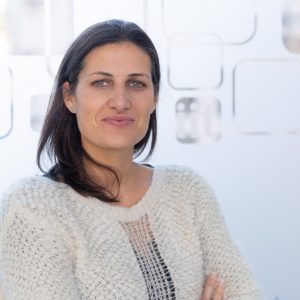
- Marianna Semprini, IIT, Italy
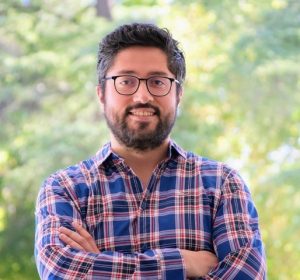
- Jorge Gomez Garcia, CSIC, Spain
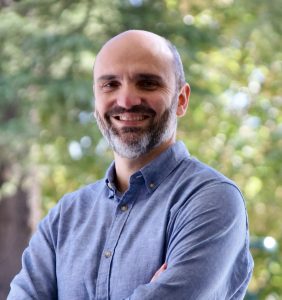
- Diego Torricelli, CSIC, Spain
Abstract: The design of robust and scalable assessment protocols remains one of the greatest challenges in neurorehabilitation research and clinical translation. Reliable monitoring of motor and cognitive recovery requires the definition of clear strategies concerning which biomarkers, which tasks, which equipment, and which data formats should be adopted to ensure comparability and reproducibility across studies and clinical contexts. This workshop will address these methodological and translational questions through a multidisciplinary lens. Discussion will focus on identifying meaningful biomarkers for both upper- and lower-limb rehabilitation; defining standardized tasks that capture functional recovery; and assessing equipment usability from both clinician and end-user perspectives. A specific emphasis will be placed on data harmonization and the need for common, open, and standardized formats to foster data sharing and large-scale analysis. Key factors influencing the design of assessment pipelines will also be explored, including the integration of cognitive and motor evaluations, the transition from lab-based to out-of-lab monitoring, and the adaptation of technologies to low- and middle-income settings, where device cost, clinician training, and user education play a critical role. Furthermore, the workshop will consider the implications of legal and ethical compliance and the expanding role of artificial intelligence in extracting clinically relevant information from multimodal datasets. Through talks, group discussions, and case-based sessions, participants will collaboratively identify research and implementation priorities for next-generation neurorehabilitation assessment. The overall goal is to outline a roadmap toward continuous, AI-assisted, and standardized evaluation frameworks that can support clinical decision-making, enable global accessibility, and ultimately promote a more personalized and equitable rehabilitation practice.
Topics of interest:
1. Motor and cognitive assessment in neurorehabilitation
2. Lab vs out-of-the-lab assessment
3. High vs low-middle income countries
4. Legal compliance
5. Artificial Intelligence
Target audience:
This workshop is designed for a multidisciplinary audience of researchers, clinicians, engineers, and policy experts engaged in the development and application of advanced assessment methods for neurorehabilitation. Participants will include professionals working on motor and cognitive assessment, developers of assistive and wearable technologies, and researchers interested in AI-based data analysis and clinical translation.
The discussion will span key dimensions of modern neurorehabilitation:
- Motor and cognitive assessment, exploring how cognitive metrics can complement motor performance measures to improve patient stratification and personalization of therapy.
- Lab-based versus out-of-the-lab assessment, focusing on the transition from controlled experimental environments to real-world, continuous monitoring solutions.
- Implementation across high- and low-middle-income countries, addressing challenges related to cost, infrastructure, clinical expertise, and user education.
- Legal and ethical compliance, ensuring data protection, patient privacy, and fairness in AIbased decision-making.
- The role of artificial intelligence in transforming multimodal datasets into actionable insights for diagnosis, monitoring, and intervention planning.
Through this broad and integrative perspective, the workshop will provide a forum for identifying gaps, barriers, and opportunities in designing reliable, accessible, and ethically compliant assessment frameworks for neurorehabilitation.
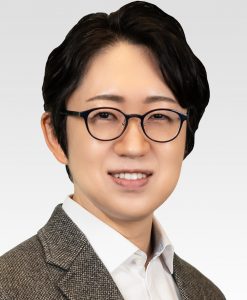
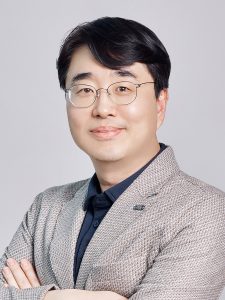
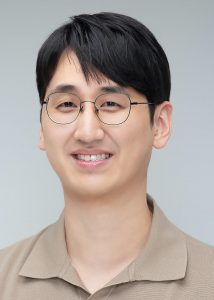
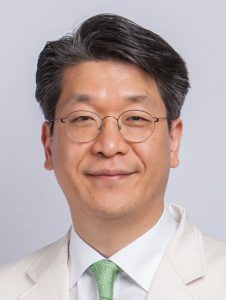

- Kyoungchul Kong, Chief Technology Officer, Angel Robotics Co., Ltd., Seoul, Korea
- Dong-wook Rha, Chief Medical Officer, Angel robotics Co., Ltd., Seoul, Korea / Professor, Dept. of rehabilitation medicine, Severance rehabilitation hospital, Yonsei university college of medicine, Seoul, Korea
- Daekyum Kim, Assistant professor, School of mechanical engineering, Korea university, Seoul, Korea
- Won Hyuk Chang, Professor, Dept. of physical and rehabilitation medicine, Samsung medical center, Sungkyunkwan university school of medicine, Seoul, Korea
- Jayoung Choi, Associate professor, Dept. of rehabilitation medicine, Chungnam national university hospital, Daejeon, Korea
Abstract: This workshop offers an in-depth presentation on the pioneering technology developed by Angel Robotics Co., Ltd. in their wearable gait assist exoskeletons and the resulting clinical efficacy in rehabilitation. Angel Robotics is a leader in the rehabilitation robotics field, featuring innovative products like the Angel Legs M20 (full body, hip and knee joint actuation) and the Angel Suit H10 (hip joint actuation). The topics will be covered in this workshop include (but are not limited to) :
- Gait Intention Recognition and Force Control: Utilizing built-in high-precision sensors and AI-based algorithms, the system accurately recognizes the user’s gait intention in real-time and provides only the necessary torque assistance to compensate for muscle weakness. This approach promotes active participation from the user, maximizing rehabilitation outcomes.
- Transparent Actuation System: Through proprietary technology, the robot enables precise torque control with near-zero mechanical resistance, ensuring the device does not impede the user’s natural movement.
- Modularization and Lightweight Design: The product line includes various models (Angel MEDI, Angel SUIT) tailored for rehabilitation and daily living assistance. The lightweight structure and easy donning/doffing system enhance user-friendliness for both clinicians and patients.
- Enhanced Gait Rehabilitation: The system facilitates more than 5 times the repetitive gait training within limited therapy time compared to conventional rehabilitation, showing significant clinical improvements in gross motor function, balance control, and gait function for stroke patients and children with cerebral palsy.
- Comprehensive Data Acquisition and AI modeling: Embedded sensors (e.g., joint angle, torque, force sensors, IMUs) capture vast amounts of high-fidelity data on user kinetics and kinematics during walking. This includes metrics like joint range of motion, ground reaction forces, torque provided by the robot, and real-time user intention signals.This robust dataset is used to train proprietary Machine Learning (ML) and Deep Learning (DL) models directly applied to create highly personalized and adaptive rehabilitation and healthcare solutions.
Target audience:
This workshop aims to bring together researchers and clinicians in the fields of rehabilitation medicine, robotics, and biomechanics to share the operating principles, design philosophy, and latest clinical findings of Angel Robotics’ exoskeleton technology. We will also facilitate a discussion on the future rehabilitation paradigm driven by wearable robotics. We will highlight the contribution of this technology to improving the quality of life for individuals with gait impairments and revolutionizing
Half-day Workshops
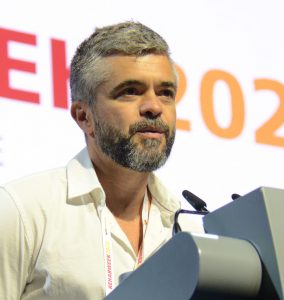

- José López Sánchez, Centro Europeo de Neurociencias (CEN), Spain
- Dr. Liliana Paredes, ETH Zurich, Switzerland, Centro Europeo de Neurociencias (CEN), Spain
Abstract: This workshop will bring together international experts and initiatives to showcase how clinical practice, research, and education can be synergistically integrated through digital tools for neurorehabilitation. The focus is on leveraging real-world data, interdisciplinary collaboration, and patient-centred approaches to advance evidence-based neurotechnology.
Presentations will span complementary perspectives:
- Digital Twins for Stroke Rehabilitation (Dr. Liliana Paredes): creating a scalable database and predictive models for personalized gait recovery after stroke
- The MiNT Academy & CREATe (Alison Watt): establishing an international clinical research and education alliance to harmonize training, research, and guidelines in neurotechnology
- Tech2people (Dennis Veit): co-developing digital rehab tools with continuous clinician feedback, emphasizing interoperability, usability, and standardized outcomes
- Centro Europeo de Neurociencias (Dr. José López Sánchez): integrating digital platforms into daily clinical, research, and educational workflows—covering patient data collection, adaptive treatment plans, real-world studies, and the creation of tailored educational resources.
Together, these talks will highlight how collaboration across centres, disciplines, and countries enables scalable, validated, and patient-relevant innovation. The workshop will close with a panel discussion to identify barriers, opportunities, and future directions for global neurorehabilitation networks.
Topics of interest:
1. Digital twins and predictive modelling in neurorehabilitation
2. Clinical neurotechnology integration (BCI, robotics, exoskeletons, NIBS)
3. Real-world data collection and clinical research platforms
4. International multi-site collaboration and guideline development
5. Co-development methodologies between clinicians, engineers, and industry
6. Clinical education and knowledge transfer in neurorehabilitation
Target audience:
The workshop is designed for clinicians, researchers, engineers, and educators working in neurorehabilitation and neurotechnology. Clinicians (neurologists, rehabilitation physicians, physiotherapists, occupational therapists) will gain insights into how digital tools and predictive modelling can be incorporated into daily therapy and research. Researchers and engineers will benefit from case studies of iterative co-development, data harmonization, and clinical trial design. Educational stakeholders will find practical examples of how training and guideline development can be scaled internationally through initiatives like CREATe.
Emphasis will be placed on integrating research outcomes into clinical practice, supporting real-world studies, and generating educational content for patients, families, and professionals. The workshop will also appeal to industry partners interested in user-centred innovation processes. By bridging practice, science, and education, the session aims to foster new collaborations and strengthen the global neurorehabilitation community.

- A. Metani, Kurage, France
Abstract: Functional Electrical Stimulation is a powerful tool to restore motor function and promote neuroplasticity in individuals with neurological impairments. Recent advances in wearable technologies, artificial intelligence, and connected health platforms now make it possible to deliver FES in a more personalized, adaptive, and data-driven way. This half-day workshop aims to provide clinicians, therapists, and researchers with a comprehensive introduction to multichannel FES and its integration into modern neurorehabilitation practice through the NeuroSkin® system.
Developed by Kurage, NeuroSkin® is an AI-powered FES garment designed as a pair of trousers embedding dry textile electrodes and motion sensors. It enables real-time synchronized stimulation to key lower-limb muscle groups, supporting walking training in stroke, multiple sclerosis, spinal injury and other neuro-motor disorders. Combined with a clinical gait analysis platform, the system allows for remote monitoring, objective gait quantification, and adaptive stimulation parameter optimization.
The workshop will begin with a theoretical overview of multichannel FES principles, emphasizing motor control, neurophysiological mechanisms, and personalization strategies. A live demonstration will follow, during which volunteers will wear and test the NeuroSkin® device, experiencing its ability to detect movement intention and deliver intelligent stimulation patterns. The final session will present clinical results from daily rehabilitation practice, including case studies and outcomes from ongoing trials across multiple centers, highlighting improvements in gait speed, endurance, and patient engagement.
Participants will gain hands-on understanding of how AI-driven multichannel FES can be integrated into routine therapy to enhance recovery, motivation, and continuity of care. The session will foster open discussion on practical implementation, data-driven rehabilitation, and the future of connected neurorehabilitation.
Topics of interest:
1. Multichannel Functional Electrical Stimulation Therapies (MFEST)
2. MFEST in daily clinical practice
3. Embedded Clinical Gait Analysis
4. Artificial Intelligence
Target audience:
PT, MD and researchers specializing in neurological and motor rehabilitation
- Andrea Berettoni, IIT, Italy
- Samuele De Giuseppe, IIT, Italy
- Giulia Mariani, IIT, Italy
Abstract: Motor tasks—from simple movements like walking to complex daily activities—differ significantly between healthy individuals and users of lower limb assistive devices. Prosthesis and exoskeleton users often develop novel movement patterns to maintain functionality and safety, which can lead to compensatory strategies and, over time, neuro-musculoskeletal strain. Device characteristics critically influence gait and posture: constraints on natural joint motion may require conscious movement adjustments, increasing both physical effort and cognitive demand. While research has traditionally emphasized biomechanics, physical fatigue, typically assessed through metabolic cost, remains underexplored. Fatigue strongly affects daily performance, and measures such as heart rate and oxygen consumption offer valuable insights for optimizing device design and control strategies. Moreover, physical exertion and mental workload are closely linked: when sensory feedback or intuitive control is limited, users must rely on increased attention and cognitive effort. This can reduce walking speed, alter loading patterns, and raise energy consumption. This workshop will examine the interplay between biomechanics, metabolic cost, and mental workload in lower limb prosthesis and exoskeleton use. Each topic will be introduced by the organizers, followed by invited talks presenting current research and perspectives. A final panel discussion will engage speakers and participants in exploring methodological challenges, research gaps, and opportunities for innovation. By fostering multidisciplinary dialogue that integrates physiological, cognitive, and mechanical aspects, the workshop aims to advance evaluation methods and guide the design of next-generation assistive technologies that enhance mobility, efficiency, and user comfort.
Topics of interest:
1. Lower Limb Prostheses
2. Exoskeletons
3. Human-Device Interaction
4. Biomechanics
5. Metabolic Cost
6. Mental Workload
7. User-centered design
Target audience:
This workshop is designed for researchers, clinicians, engineers, and graduate students engaged in the rapidly evolving fields of rehabilitation technology, prosthetics, exoskeletons, and human–device interaction. It aims to provide an integrated understanding of the cognitive, metabolic, and biomechanical principles underlying assisted mobility and human augmentation. Please see https://2026.icneurorehab.org for submission instructions, due before October 15, 2025 Page 2 of 3 Participants will explore current advances in the design, control, and evaluation of assistive and rehabilitative devices, with particular attention to user-centered approaches that consider physiological, cognitive, and metabolic factors. The workshop will feature a combination of keynote presentations, technical sessions, and interactive Q&A discussions, offering a platform for participants to exchange ideas and deepen their understanding of how emerging technologies can enhance human movement and recovery. The event will foster dialogue between the scientific, clinical, and industrial communities, promoting collaboration across disciplines to address key challenges in mobility assistance. Core topics will include sensorimotor integration in lower limb prosthetic and exoskeletal control, metabolic efficiency and energy optimization in assisted locomotion, adaptive and intelligent control algorithms, and cognitive aspects of human–robot co-adaptation. Attendees will gain valuable insights into how integrative approaches are transforming the way rehabilitation and assistive devices are conceived, tested, and implemented in both research and clinical practice. In addition to expert-led discussions, participants will have opportunities to engage directly with invited speakers, share their own research experiences, and explore future directions for joint studies and collaborative projects. By bridging disciplines and perspectives, this workshop seeks to advance the development of innovative, evidence-based solutions that improve mobility, independence, and quality of life for individuals with motor impairments.
- Claudio Pizzolato, Australia
- David Lloyd, Australia
Abstract: Rehabilitation technologies are rapidly evolving from devices that simply assist movement toward systems that actively shape biological recovery. A critical frontier is the ability to steering mechanobiological adaptation of tissues, such as bones, tendons, muscles, and neural pathways, through precisely controlled interventions. This workshop will explore how multiscale computational models of the neuromusculoskeletal system can be leveraged to design and deliver rehabilitation strategies aimed at recovery of function while also driving desirable adaptation of tissue.
Multiscale models provide a unique bridge between levels of biological organization: from cellular mechanotransduction and muscle fibre recruitment, to joint loading, whole body kinematics, and neural control. By embedding these models into biorobotic platforms comprising of exoskeletons, electrical stimulation systems, and wearable robotics, we can move beyond generic therapy protocols toward personalised interventions that optimise loading conditions for each individual. This approach has the potential to accelerate recovery, reduce secondary complications such as osteoporosis or tendon degeneration, and provide quantifiable metrics for clinical decision making.
The workshop will feature a series of short presentations covering:
- Emerging evidence from in-vitro bioreactor studies on tissue adaptation following mechanical response
- Advances in multiscale modelling of isolated tissues and neuromusculoskeletal dynamics
- Integration of multiscale computational models with biorobotic rehabilitation.
To conclude, a panel discussion will focus on debating the translational challenges: model validation, regulatory pathways, and clinical adoption. Participants will be invited to contribute perspectives on how to balance model complexity with usability, and how to design collaborative frameworks that ensure these technologies deliver meaningful outcomes for patients.
Topics of interest:
1. Mechanobiology
2. Biorobotic
3. Computational biology
4. Rehabilitation
Target audience:
This workshop is designed for a broad yet interconnected audience of professionals engaged in advancing neurorehabilitation through engineering, clinical practice, and translational science. The primary audience includes rehabilitation engineers, computational modelers, and roboticists who are developing the next generation of biorobotic systems. These participants will benefit from exposure to multiscale modelling approaches that link cellular and tissue level adaptation to whole body motor function, providing a framework for designing interventions that are both precise and biologically grounded.
A second key group is clinicians and clinical researchers, such as physiatrists, neurologists, physiotherapists, and occupational therapists, who are directly responsible for implementing rehabilitation strategies. For them, the workshop offers insight into how computational models can inform individualised therapy planning, optimize tissue loading, and reduce secondary complications such as bone loss or tendon degeneration. By engaging with the modelling perspective, clinicians will gain a clearer understanding of how these tools can be integrated into daily practice and clinical trials.
The workshop also targets academic researchers and students in biomechanics, neuroscience, and biomedical engineering who are seeking to expand their methodological toolkit. For early career scientists, the session provides an opportunity to learn how multiscale models can be applied to real world rehabilitation challenges and to connect with leaders in the field.
Finally, the workshop will be of interest to industry partners, device developers, and policy stakeholders who are exploring pathways for clinical translation, regulatory approval, and reimbursement. The concluding panel discussion will be particularly valuable for this group, as it will address the practical challenges of validation, scalability, and adoption. By bringing together this diverse audience, the workshop aims to foster cross disciplinary dialogue and collaboration, ensuring that advances in computational modelling translate into tangible improvements in patient care.
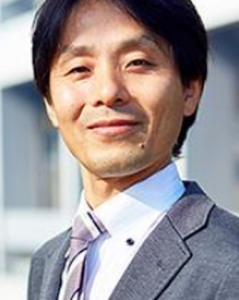
- Diego Torricelli, CSIC, Spain
- Qi An, Japan / Shingo Shimoda
- Shingo Shimoda, Nagoya University, Japan
Abstract: Parkinson’s disease (PD) is a progressive neurodegenerative disorder characterized by heterogeneous motor and non-motor symptoms. Because the disease evolves over time, timely and individualized interventions are crucial to maintaining patients’ quality of life. However, current clinical assessments typically require patients to visit hospitals for physician-led evaluations, which are performed infrequently and may not capture symptom fluctuations or treatment effects in daily life.
Recent advances in wearable sensing, digital biomarkers, and AI-based analysis have enabled
continuous and objective monitoring of PD. Yet, most existing studies are conducted in isolated, singlesite environments, limiting the generalizability and clinical translation of developed models. Multi-site, international data collection is essential to capture the diversity of patient populations, healthcare systems, and measurement conditions—thereby ensuring robustness, fairness, and scalability of evaluation systems.
This workshop will bring together researchers, clinicians, and engineers to discuss the opportunities and challenges of building such a global framework for PD assessment. The session will focus on strategies for harmonizing multi-center data, validating AI models across populations, and establishing standardized, interoperable systems for neurorehabilitation and disease management.
Topics of interest:
1. Parkinson’s disease assessment
2. Multi-center data collection
3. AI and machine learning for clinical evaluation
4. Digital biomarkers and digital mobility outcomes (DMO)
Target audience:
This workshop is intended for researchers, clinicians, and engineers involved in the development of quantitative assessment systems for Parkinson’s disease. It particularly targets those interested in international and multi-center collaborations for data collection, model construction, and validation of AI-based evaluation tools. Participants working in neurorehabilitation, biomedical signal processing, and digital health will benefit from discussions on how to establish standardized, interoperable frameworks that connect diverse datasets and clinical practices worldwide.
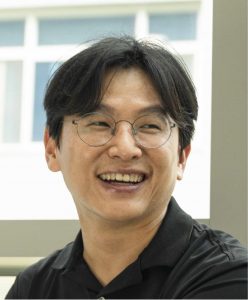
- Hyung-Soon Park, KAIST, South Korea, Japan
Abstract: Recent advances in neurorehabilitation emphasize promoting neuroplasticity—the brain’s capacity to reorganize and form new connections—as a foundation for recovery after stroke and neurological injury. This workshop will introduce a multimodal, restorative Brain–Computer Interface (BCI) framework that integrates EEG-based intention decoding, adaptive electrical stimulation, soft robotics, and immersive VR/AR feedback to facilitate neuroplastic changes.
Rather than focusing solely on assistive control, the restorative BCI paradigm aims to reactivate impaired motor networks and reinforce functional reorganization through synchronized neural and sensory feedback. Presentations will cover key technological and clinical components: (1) development of soft wearable robots for synchronized neurofeedback and proprioceptive stimulation, (2) application of VR/AR-based motor imagery and multimodal sensory environments to enhance cortical engagement, (3) EEG-based decoding of motor intention, fatigue, and attention for adaptive feedback, and (4) clinical integration and neurophysiological validation in stroke rehabilitation settings.
By combining expertise in engineering, neuroscience, and clinical neurorehabilitation, this session will discuss translational pathways from bench to bedside and explore how multimodal closed-loop systems can maximize neuroplasticity to restore motor function and patient engagement.
Topics of interest:
1. Brain–Computer Interface (BCI)
2. Neuroplasticity and neural reorganization
3. EEG-based motor intention decoding
4. Restorative vs. assistive BCI paradigms
5. Soft robotics and haptic feedback
6. Virtual and augmented reality rehabilitation
7. Multimodal stimulation and closed-loop feedback
8. Clinical translation and neurorehabilitation outcomes
Target audience:
This workshop targets a multidisciplinary audience of clinicians, neuroscientists, biomedical engineers, and rehabilitation specialists who are interested in the intersection of brain–machine interfaces and neuroplasticity-based recovery. Attendees will gain an understanding of the latest advances in multimodal neurorehabilitation technologies and their translational potential for clinical application.
The content will particularly appeal to professionals engaged in EEG/BCI research, robotic rehabilitation, neuromodulation, and VR/AR-based therapy, as well as those designing clinical trials for stroke and neurological recovery.
By engaging both engineering and medical perspectives, this workshop encourages cross-disciplinary dialogue on implementing adaptive closed-loop systems that can enhance brain–body coupling and promote functional restoration in neurorehabilitation practice.

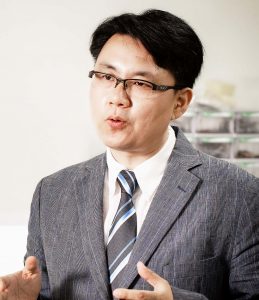

- Dr. Junho Choi, KAIST, South Korea
- Prof. Sang Hoon Kang, KAIST, South Korea
- Dr. Song Joo Lee, KAIST, South Korea
Abstract: This workshop explores how sensory feedback and robotic technologies can quantify and enhance neuromechanical control in movement. Talks will highlight how cutaneous and proprioceptive modulation reshape motor strategies during walking and rehabilitation. Low-impedance robotic devices and EEG-guided platforms for proprioceptive recovery will be presented with clinical evidence. Novel metrics for motor adaptation will be introduced. Together, these studies bridge neuroscience, robotics, and rehabilitation toward closed-loop, personalized neurorehabilitation.
- Cutaneous Modulation Changes Motor Strategy in Treadmill Walking with or without Prosthesis, Prof. Hangue Park
- Robotic Device with Minimal Impedance for Gravity Support, Dr. Junho Choi
- Robot-Assisted Evaluation and Recovery of Proprioception in Stroke Survivors With EEG-Guided Validation, Prof. Keonyoung Oh
- How Linear Is The Multi-Joint Upper Limb Under Small-Magnitude Perturbations?, Dr. Seongil Hwang
- Kinematic Changes During Rehabilitation in Individuals with Stroke, Dr. Junho Shin
- Kinematic Adaptation During Motor Learning in Robot-Assisted Planar Upper-Limb Reaching Tasks, Prof. Jong Hyun Kim
- Quantifying and Improving Neuromuscular Control in The Pivoting Direction, Dr. Song Joo Lee
Topics of interest:
1. Sensorimotor Integration and Neuromechanical Adaptation
2. Robotic Systems with Minimal Impedance for Natural Movement Support
3. EEG-Guided Rehabilitation and Neurofeedback-Based Motor Recovery
4. Robotic-Assisted Assessment and Recovery of Proprioception
5. Neuromechanics in Pivoting Directions
6. Quantitative Evaluation of Motor Learning during Rehabilitation
7. Integrative Robotic Platforms for Sensory-Motor Training and Evaluation
Target audience:
Researchers and clinicians in biomechanics, neurorehabilitation, robotics, and motor control, including experts in BCI, FES, and sensory-motor integration. This workshop targets those seeking quantitative tools and translational strategies for data-driven, personalized rehabilitation.
- Rob Howland, SimFit2Drive
Abstract: Driving simulators have long been used to help patients return to driving following physical trauma or brain injury. They’re recognised as offering a safe, controlled environment for patients to practice and improve core mobility skills, enabling individuals recovering from injury, stroke, or other conditions to relearn and practice appropriate skills. They can also be used to assess which driving adaptations are best suited to the individual patient.
However, new work undertaken in the UK is showing that driving simulators can also be used as an effective rehabilitation treatment, whether or not a return to driving is possible.
Since driving is a skill that is/has been automatic for many patients, the use of driving-based exercises can enable clinicians to carry out targeted treatments for a range of conditions, capitalising on previous learnt skills to re-engage in function, and to exercise existing component skills.
Use of serious-game based scenarios makes the environment fully-immersive and more engaging for patients, aiding patients reach the desired outcomes. Obviously, for those patients where a return to driving is possible, the goal-oriented activity adds further value. Thus, driving simulators can be viewed an effective addition to multidisciplinary therapies, offering a fun and engaging way to support recovery across a wide range of conditions.
In this workshop, we’ll demonstrate a live rehabilitation simulator, showing its key features and the various measurement and treatment scenarios that it offers. We’ll also feature clinician presentations giving their first-hand experience with patients completing treatment courses on a driving simulator.
Workshop attendees will gain a greater understanding of the use of driving simulators as a ‘tool for all’ within neurorehabilitation and how, with a variety of serious-game based scenarios, the clinician can build their sessions based around the patient’s needs and current ability, no matter how early in their rehabilitation.
Topics of interest:
1. Provide a list of topics/keywords addressed in the workshop:
2. Neurorehabilitation
3. Driving simulators
4. Stroke rehabilitation
Target audience:
The intended audience is anyone with an interest in emerging technology in rehabilitation.
People with a specific interest will be those working with neurorehabilitation technologies – including neurorehab clinicians and practitioners who could potentially utilize such technology in their multidisciplinary practices.
It will also be of interest to researchers in the areas of neurorehbilitation, rehabilitation robotics and Virtual Reality and Augmented Reality in rehab.
As the workshop will be hands-on, with live demonstrations of the equipment and discussion with clinicians who use it. There will also be the opportunity for participants to try it out for themselves.

- Jiyeon Kang, GIST, South Korea
Abstract: Parkinson’s disease (PD) involves progressive disconnection and maladaptive synchronization within motor neural pathways, leading to severe impairment in voluntary movement. To address this fundamental circuit dysfunction, this workshop introduces an electronic platform for rewiring neural circuits that integrates targeted electrical stimulation, motor behavior engagement, and AI-based signal analysis to restore effective communication across cortical and subcortical structures. Rather than focusing solely on symptom suppression, the proposed approach seeks to reactivate and reorganize residual neural connections to recover functional movement patterns. The workshop will highlight engineering strategies for multi-site stimulation design, neuro-motor biomarker extraction, and robotic-assisted training paradigms that collectively promote neuroplastic adaptation. By merging insights from neuroscience, rehabilitation robotics, and bioelectronic engineering, the session will propose a new therapeutic paradigm that reframes motor rehabilitation as a process of biological circuit restoration, ultimately aiming to improve autonomy and quality of life in individuals with degenerative motor disorders.
*This research was supported by the Bio&Medical Technology Development Program of the National Research Foundation (NRF) funded by the Korean government (MSIT) (No. RS-2024-00361688).
Topics of interest:
1. Degenerative Disease Rehabilitation
2. Brain Stimulation and Robotic Rehabilitation
3. Mechanisms inhibiting Neurodegeneration
4. Higley translational rehabilitation methodology
Target audience:
This workshop is intended for researchers and clinicians in neuroscience, neurorehabilitation, robotics, and motor control, including those working in neural stimulation, sensorimotor integration, and neuroengineering. It targets participants interested in quantitative and translational approaches that connect animal and human studies to explore how neural circuits can be reorganized through identical interventions at the brain and peripheral levels. The session will be valuable for professionals developing or applying robotic and electronic systems for restoring motor function in Parkinson’s disease and other neurodegenerative conditions.
- Seung-Wan Kang, CEO, iMedicine Inc., Professor, College of Nursing, Seoul National University
Abstract: This workshop is a hands-on program designed for participants to gain practical experience throughout the entire process, from high-quality dry EEG measurement to QEEG analysis, and the design of QEEG-based personalized neuromodulation. Aimed at researchers and postgraduate students in neuroengineering, neuroscience, and BCI, it seeks to enable the immediate application of cutting-edge AI-based quantitative EEG analysis and neuromodulation techniques such as tES, tMS, tPBM, and neurofeedback in both research and clinical settings. Part 1 focuses on understanding the core of QEEG analysis, centered on signal quality management and the interpretation of functional brain mapping within actual EEG measurement environments. Part 2 enables participants to learn the practical application workflow of quantitative EEG-based neuromodulation through designing and experiencing personalized tPBM protocols based on individual QEEG results. Through this, participants will gain practical, analytical, and design capabilities that can be immediately applied within their own research or clinical contexts, moving beyond mere theoretical acquisition
Target audience:
TBA.
- Won-Kyung Song, PhD, National Rehabilitation Center, South Korea
- Joon-Ho Shin, MD, National Rehabilitation Center, South Korea
Abstract: This workshop introduces the translational research program in rehabilitation robotics at the National Rehabilitation Center (NRC) and discusses its clinical applications across multiple rehabilitation domains. Translational research plays a critical role in bridging engineering innovation, regulatory readiness, and real-world clinical deployment of rehabilitation technologies.
In rehabilitation robotics, translational research typically consists of four key stages: technology improvement, testing, regulatory approval and certification, and clinical application. These stages ensure that newly developed robotic technologies can move systematically from laboratory prototypes to safe and effective use in clinical practice.
Recent advances in rehabilitation robotics have evolved beyond laboratory prototypes toward evidence-based clinical interventions and service models that support functional recovery and long-term care. In particular, integrating robotic technologies into hospital-based rehabilitation and community care systems has become an important direction for improving accessibility and continuity of rehabilitation services.
This workshop will present clinical and translational research related to upper-limb rehabilitation, ankle and mobility rehabilitation, and pediatric rehabilitation robotics. Speakers will discuss clinical evidence, system design considerations, evaluation methods, and implementation strategies for integrating robotic rehabilitation technologies into healthcare and community environments.
By bringing together clinicians and engineers, the workshop aims to share practical insights into bench-to-bedside-to-community translational pathways and highlight future opportunities for expanding the role of rehabilitation robotics in healthcare systems.
- Current Status and Future Directions of Translational Research in Rehabilitation Robotics, Won-Kyung Song, National Rehabilitation Center
- Effects of Task-Oriented Upper Limb Rehabilitation Training, Joon-Ho Shin, National Rehabilitation Center
- Ankle Rehabilitation Robots and Community Care, Myung-Jun Lim, National Rehabilitation Center
- Clinical Applications of Pediatric Rehabilitation Robots, Hyun-Kyung Kim, National Rehabilitation Center
Topics of interest:
1. Translational research models in rehabilitation robotics
2. Clinical applications and outcome evaluation of robotic rehabilitation
3. Robotic technologies for upper-limb and functional motor recovery
4. Pediatric rehabilitation robotics and neurodevelopmental rehabilitation
5. Integration of rehabilitation robotics in hospital and community care systems
Target audience:
This workshop is intended for clinicians and researchers working in rehabilitation medicine, robotics, and engineering, including:
- Rehabilitation physicians and therapists
- Robotics and engineering researchers
- Neuroscience and biomechanics researchers
- Healthcare professionals involved in rehabilitation technologies
The workshop will particularly benefit participants interested in clinical translation, evaluation methods, and deployment strategies of rehabilitation robotics in both hospital and community care environments.