Special Sessions at ICNR2026 are 90-minute sessions dedicated to a specific topic. The structure of the Special Session consist of oral presentations and discussions. Contributors to Special Sessions will have to submit Extended Abstracts (2 pages) which will be published in the Proceedings as a book upon acceptance.
Special Sessions are organized into Tracks:
Rehabilitation and Wearable Robotics (RWRtrack)
RWR01. Soft Robotics at Assistive Devices
Organizers:
- Dr. Sabine Thuerauf (Assistive Intelligent Robotics, Department AIBE – Artificial Intelligence in Biomedical Engineering, Friedrich-Alexander-Universität Erlangen-Nürnberg)
- Hannah Braun, M. Sc. (Assistive Intelligent Robotics, Department AIBE – Artificial Intelligence in Biomedical Engineering, Friedrich-Alexander-Universität Erlangen-Nürnberg)
Abstract: Soft robotics offers transformative potential for assistive devices by enabling lightweight, compliant, and user-adaptive systems that align with human biomechanics. This special session brings together leading experts in system design, biosignal-based control, and clinical evaluation to address the translational challenges of wearable soft robotic technologies. While soft actuators and textile interfaces have demonstrated safety and comfort advantages, their integration into clinically viable devices requires rigorous validation, robust control strategies, and standardized outcome metrics. The session will explore recent advances in material science, biosignal interpretation, and adaptive control, alongside clinical perspectives on usability, adherence, and trial design. Speakers will present interdisciplinary approaches that bridge engineering innovation with patient-centered rehabilitation goals. Through moderated discussion and interactive polling, the session aims to identify key barriers for clinical transition, potential metrics for evaluation, and regulatory alignment. By fostering dialogue across technical and clinical domains, this session will accelerate the deployment of soft robotic assistive devices.
Topics of interest:
1. Design and Fabrication of Soft Actuators for Wearable Assistive Devices
Focus on textile integration, durability, and scalable manufacturing.
2. Biosignal-Based Control and Intention Detection for Soft Robots
EMG, EEG, IMU based control especially for soft systems.
3. Human–Robot Interaction and Ergonomic Integration
Comfort, usability, and safety in wearable applications.
4. Clinical Evaluation and Outcome Metrics
Standardized protocols, functional benchmarks, and patient-centered endpoints.
5. Translational Pathways and Regulatory Challenges
From lab prototypes to certified medical devices
RWR02. From Data to Action: Wearable Sensor Technology to Drive Neurorehabilitation
Organizers:
- Megan K. O’Brien, PhD (Shirley Ryan AbilityLab, Northwestern University, USA)
Abstract: Wearable sensors have emerged as transformative tools in clinical care and neurorehabilitation. Modern systems are wireless, multimodal, and minimally obtrusive, capable of continuously capturing a rich spectrum of physiological and functional data. Yet, a persistent challenge remains in translating these data into actionable clinical insights and interventions.
This Special Session addresses that translational gap, showcasing how multimodal sensing, advanced signal processing, artificial intelligence, and human-centered design can converge to drive personalized and responsive rehabilitation strategies. Speakers will present recent advances in soft, biointegrated sensors that monitor neural, muscular, and kinematic activity with clinical-grade fidelity, as well as data-driven algorithms that quantify motor recovery, estimate joint torque, and inform adaptive robotic control or biofeedback interventions.
Applications include detecting and mitigating impairments such as freezing of gait in Parkinson’s disease, quantifying propulsion deficits after stroke, and developing closed-loop systems that dynamically adjust assistance based on sensor-derived intent or performance. Collectively, these talks will demonstrate the evolution of wearable sensors from passive measurement tools into active enablers of neurorehabilitation—closing the loop between sensing, interpretation, and intervention.

RWR03. Advancing Postural Control and Mobility: Rehabilitation Approaches for Neurological Conditions
Organizers:
- Guang H Yue, PhD, Kessler Foundation and Rutgers University, USA
- Shijun Yan, PhD,University of Georgia, USA
Abstract: Postural control is fundamental to human motor function, and its disruption can hinder essential movements such as reaching, sitting, standing, and walking. Traumatic Brain Injury (TBI) is a major contributor to sensorimotor impairments in adults, frequently leading to difficulties with balance. Damage from TBI affects the brain’s white matter networks, diminishing its capacity to regulate balance and coordinate movement. It also disrupts the central nervous system’s ability to effectively integrate sensory information during motor control, further worsening balance and postural stability issues. Similarly, stroke survivors commonly experience postural instability and impaired gait symmetry, which significantly affect mobility and independence. In children, particularly those with cerebral palsy (CP), postural control deficits severely limit core motor activities such as sitting and walking. These children frequently exhibit poor trunk stability and excessive mediolateral (side-to-side) trunk motion during gait. Reducing this excessive movement should be a primary goal of interventions aimed at improving trunk postural control. This session will explore innovative rehabilitation strategies developed to enhance postural control in individuals with TBI, stroke, and children with CP.
Topics of interest:
1. Postural control and balance in TBI
2. Perturbation based intervention
3. Dynamic balance during gait in stroke survivors
4. Trunk postural control during gait in children with CP

RWR04. Intelligent Rehabilitation Systems and Assistive Robots for Senior Care
Organizers:
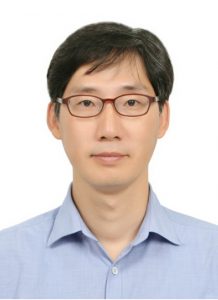
- Prof. Jung Won Yoon, Department of AI Convergence, Gwangju Institute of Science and Technology, Korea
- Prof. Jiyeon Kang, Department of AI Convergence, Gwangju Institute of Science and Technology, Korea
Abstract: Rapid population aging and the widening gap in care resources, particularly in rural and underserved regions, are accelerating demands for scalable rehabilitation and mobility-support technologies. Robotics and AI have emerged as essential tools to address these challenges by enabling continuous assessment, personalized intervention, and safe physical assistance for older adults. This session focuses on recent advances in intelligent rehabilitation systems and assistive robotic platforms spanning mobile manipulators, adaptive balance-training robots, soft wearable actuation, and AI-based human-motion analysis.
The session will highlight technologies that integrate multi-modal sensing, human–robot interaction modeling, and closed-loop adaptive control to deliver individualized motor assistance and training. Examples include mobile manipulator–type haptic interfaces for gait guidance, performance-based robotic balance training for chronic stroke, arm-leg coordinated exosuits for mobility augmentation, and clothing-type soft wearable robots driven by artificial muscle fibers. The session also features data-centric approaches that leverage human kinematics, kinetics, and computational biomechanics for early detection of age-related functional decline such as sarcopenia.
Collectively, these talks illustrate how next-generation rehabilitation robotics can support safer, more autonomous, and more dignified aging by bridging clinical rehabilitation with community and home-based care. Through technical depth and translational insights, the session aims to outline a roadmap for intelligent senior-care solutions grounded in robotics, sensing, machine learning, and personalized motor-assistance strategies.
Topics of interest:
1. Rehabilitation robot for senior health care
2. Assistive robot for mobility of senior citizens
3. New technologies for monitoring senior citizens

RWR05. From Lab to Life: Human Intention and Interaction in Wearable Rehabilitation Robotics
Organizers:
- D.S.V. Bandara, Kyushu University, Japan
- Jumpei Arata, Kyushu University, Japan
Abstract: Wearable robots are becoming increasingly capable of working in harmony with the human body, detecting movement intent, providing adaptive assistance, and supporting recovery. As these technologies evolve, the research focus is moving beyond mechanical design and actuation toward understanding how humans and robots communicate, coordinate, and learn from each other during rehabilitation. This special session highlights emerging approaches that bridge human intention, sensory perception, and assistive control, with the shared goal of making wearable robotics more intuitive, effective, and suitable for use in real-world rehabilitation settings. Decoding human intention is central to achieving smooth and responsive interaction. Advances in electromyographic sensing, biomechanical modeling, and human-in- the-loop control now allow robots to recognize user goals and effort in real time, enabling individualized and context-aware assistance. At the same time, investigations into perception and sensory information, such as the effects of kinesthetic illusion or visual cues, shed light on how users interpret and adapt to robotic support. Complementary studies on assistive strategies, including coaching-based feedback and pneumatic exosuits, demonstrate how wearable robots can influence biomechanics, engagement, and functional task performance. Together, these perspectives provide a comprehensive picture of human robot coordination in wearable rehabilitation. They illustrate how understanding the interaction between perception, intention, and assistance can inform the design of systems that move naturally with their users and enhance recovery beyond controlled laboratory environments. Through the theme From Lab to Life, this session aims to connect fundamental research with practical application, showing how wearable robots can evolve into responsive, human-centered tools that extend rehabilitation into everyday movement and empower people in their recovery journey.
Topics of interest:
1. Perception and Sensorimotor Integration
2. Intention Estimation and Human–Robot Coordination
3. Integrated Rehabilitation Systems
4. Assistive Strategies in Rehabilitation Robots
5. Applications and Evaluation in Rehabilitation
RWR06. The future of neurorehabilitation: collaborative robotics to support the continuum of care
Organizers:
- Prof. Dr. Domenico Campolo, Robotics Research Centre, School of Mechanical and Aerospace Engineering, Nanyang Technological University Singapore
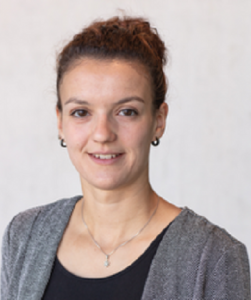
- Dr Ananda Sidarta, Rehabilitation Research Institute of Singapore, Nanyang Technological University Singapore
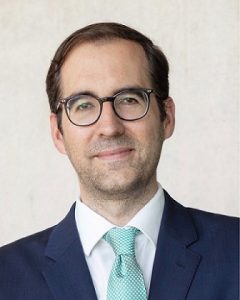
- Prof Dr Simone Kager, Department of Computer Science and Artificial Intelligence, University of Technology Nuremberg
Abstract: After neurological injuries such as stroke, individuals often experience sensorimotor impairments. Intensive neurorehabilitation, both in clinical settings and continuing after discharge, is essential to promote functional recovery. Robot-mediated therapies hold great promise by enabling the delivery of high-quality therapy across the entire continuum of care. Previous research has demonstrated the non-inferiority of such therapies compared to conventional in-clinic treatment. Moreover, robotic rehabilitation offers the potential to overcome key limitations of standard outpatient care, particularly the typically low training dose. However, access to these robotic therapies remains limited, and the social and collaborative aspects of traditional one-on-one sessions with a therapist are often missing. This lack of human interaction can lead to feelings of social isolation among patients, especially those who are more home-bound. More recently, hospitals have encouraged home-based rehabilitation, not only as a form of care beyond the hospital wall, but also to allow continuous therapy at one’s home that improves outcomes. By shifting the provision of high-quality, robot-mediated therapy to decentralized settings, such as patients’ homes, access to care and overall therapy dosage can be substantially increased. At the same time, integrating advanced algorithms and conversational agents into the training routines could reintroduce a “human touch,” helping to mitigate social isolation and enhance patient engagement. In this special session, we aim to explore how collaborative robotics will shape the future of neurorehabilitation. Together with leading international experts in rehabilitation robotics, we will discuss innovative approaches that push the boundaries of how robots can be used to deliver therapy, promote motor learning, and enhance patient outcomes
Topics of interest:
1. Rehabilitation robotics
2. Motor learning and control
3. Human – human interaction
4. Conversational agents
RWR07. More Therapy at Home: Opportunities and Challenges of Neurorehabilitation Technologies
Organizers:
- Prof. Olivier Lambercy
- Giada Devittori
Abstract: Neurorehabilitation faces many open challenges due to the increasing number of neurological patients, the limited number of healthcare professionals, and the rising healthcare costs, which ultimately impact access to quality therapy. Technology-based solutions have significant potential to enable a paradigm shift in neurorehabilitation models, which remain heavily reliant on hospital stays and visits. In this session, we will review recent developments and clinical evaluations of technology-based solutions to support upper limb neurorehabilitation along the continuum of care – from the hospital bedside to the patients’ homes. Building on the successful workshop held at ICNR 2024, we will highlight and discuss current progress in ongoing trials investigating the use of different technologies for unsupervised home-based therapy (e.g., robotics, exoskeletons, and sensor-based systems). A particular focus will be placed on current initiatives aimed at enabling the sustainable delivery of high-dose, high-intensity therapy along the continuum of care. By bringing together technology developers and clinical experts, this session will identify key enablers and remaining challenges influencing the development, clinical adoption, and acceptance of neurorehabilitation technologies among clinicians, patients, and policymakers.
Topics of interest:
1. Technology-assisted therapy at home
2. Home rehabilitation
3. Robotics and virtual reality
4. Self-directed therapy
5. Unsupervised therapy
6. Continuum of care
7. High-dose, high-intensity therapy
8. Telerehabilitation and monitoring

RWR08. Advances in Exoskeleton and Prosthetic Systems for Human Augmentation and Neuro-Rehabilitation
Organizers:
- Prof. Brian Byunghyun Kang, Sejong University
- Prof. Seokhwan Jeong, Sogang University
Abstract: Neurorehabilitation faces many open challenges due to the increasing number of neurological patients, the limited number of healthcare professionals, and the rising healthcare costs, which ultimately impact access to quality therapy. Technology-based solutions have significant potential to enable a paradigm shift in neurorehabilitation models, which remain heavily reliant on hospital stays and visits. In this session, we will review recent developments and clinical evaluations of technology-based solutions to support upper limb neurorehabilitation along the continuum of care – from the hospital bedside to the patients’ homes. Building on the successful workshop held at ICNR 2024, we will highlight and discuss current progress in ongoing trials investigating the use of different technologies for unsupervised home-based therapy (e.g., robotics, exoskeletons, and sensor-based systems). A particular focus will be placed on current initiatives aimed at enabling the sustainable delivery of high-dose, high-intensity therapy along the continuum of care. By bringing together technology developers and clinical experts, this session will identify key enablers and remaining challenges influencing the development, clinical adoption, and acceptance of neurorehabilitation technologies among clinicians, patients, and policymakers.
Topics of interest:
1. Rehabilitation robotics
2. Motor learning and control
3. Human – human interaction
4. Conversational agents
RWR09. Human Connection Through Robots: A New Paradigm for Neurorehabilitation
Organizers:
- Dr. Lorenzo Vianello, Shirley Ryan AbilityLab, Chicago, USA
- Prof. Marta Gandolla, Prof, Emilia Ambrosini, Prof. Alessandra Pedrocchi, Politecnico di Milano, Italy
- Prof. Jose L. Pons, Shirley Ryan AbilityLab, Northwestern University, Chicago, USA
Abstract: In recent years, robotics has opened new perspectives for neurorehabilitation, yet most current systems tend to isolate the patient from the therapist’s intuitive and adaptive touch. The concept of Robot-mediated physical Human–Human Interaction (RHHI) offers a different view: instead of replacing the therapist, the robot acts as a transparent bridge that allows two people to interact physically while maintaining precise, measurable control. This approach combines the therapist’s expertise, human adaptability, and robotic consistency to enrich motor learning, engagement, and clinical assessment. The session will present ongoing research, clinical studies and applications of RHHI in gait, balance, and upper-limb training, discuss how these technologies may reshape therapist roles and care models, and explore pathways for broader translation—from hospitals to homes and community settings. By emphasizing human partnership rather than automation, RHHI defines a more connected and scalable future for rehabilitation.
Topics of interest:
1. Clinical translation of RHHI: lessons from early pilot trials in stroke and spinal cord injury rehabilitation.
2. Integration into conventional therapy: combining robotic assistance with therapist-guided physical interaction.
3. Motor learning and adaptability: mechanisms driving skill transfer and recovery when humans are physically coupled through robots.
4. Therapist workload and ergonomics: how RHHI may reduce fatigue while preserving personalized care.
5. Data-driven assessment and feedback: simultaneous measurement of therapist and patient kinematics and forces.
6. Technological design and control: transparency, safety, impedance modulation, and networked multi-user setups.
7. Remote and home-based RHHI: opportunities for telerehabilitation and continuity of care.
8. Group and social rehabilitation: multi-user frameworks that enhance motivation, competition, and cooperation.
9. Education and training: preparing clinicians, engineers, and caregivers for interactive robot-mediated therapy.
10. Regulatory, legal, and ethical considerations: privacy, safety certification, liability, and equitable access.
11. Future research directions: exploring neurophysiological mechanisms, personalization, and health technology assessment.
RWR11. Pros, Cons and Challenges during modern technology based post-stroke rehabilitation
Organizers:
-
- Luca Toth M.D, Ph.D
- Peter Maroti M.D, Ph.D.
Abstract: We invite participants to a comprehensive workshop focused on the integration of modern technologies in post-stroke rehabilitation. Stroke remains the leading cause of disability and dependence, highlighting the critical need for innovative therapeutic strategies. Recent advancements in technology—such as exoskeletons, movement analysis, 3D printing, virtual reality (VR), and artificial intelligence (AI)—have demonstrated promising potential to enhance recovery outcomes beyond traditional approaches.
This workshop will review the adaptation of these cutting-edge tools and explore their impact on neural plasticity in post-stroke patients. We will present evidence supporting exoskeleton-based robotic therapy, particularly for hemiparesis-induced immobilization, emphasizing the current uncertainties regarding optimal therapy duration and frequency. A summarized analysis of existing literature on robotic gait therapy and neuroplasticity-guided training protocols will be provided, alongside proposals for personalized therapy optimization.
One key focus will be introducing an innovative exoskeleton testing method that incorporates feedback systems and personalized 3D-printed solutions, aiming to maximize comfort and efficacy. Additionally, we will showcase extended reality (XR) solutions tailored for both upper and lower limbs, designed to minimize discomfort and adapt to various clinical conditions. Real-time patient feedback and customizable elements will enhance individualized treatment, with interaction metrics delivered to clinicians for assessment.
Furthermore, the workshop will delve into a VR-based training system for upper limb hemiparesis, integrated with AI and camera-based technology capable of automatically tracking and evaluating task performance—specifically, a block transfer task—thus providing objective, quantitative data to guide therapy. We will discuss how balancing these technological, motor, cognitive, and psychological factors contributes to optimizing therapy duration and outcomes, ultimately advancing personalized, effective stroke rehabilitation.
Topics of interest:
1. Stroke
2. Neuroplasticity
3. Exoskeleton and robotic therapy
4. Virtual reality
5. Movement analysis
6. 3D printing
RWR12. Advances in Lower and Upper Extremity Rehabilitation Robotics for Persons with Mobility Disability
Organizers:
-
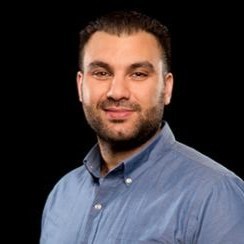
- Ghaith J. Androwis, Ph.D., Kessler Foundation
Abstract: Persons with mobility impairments due to stroke, spinal cord injury (SCI), multiple sclerosis (MS), or other neurological disorders often experience significant upper (UE) and lower extremity (LE) deficits that persist even after rehabilitation. These limitations disrupt independence and the ability to perform essential daily activities such as standing, balancing, walking, eating, dressing, and reaching. Recovery of lost function, particularly following SCI or stroke relies heavily on neural adaptation through repetitive, task-specific training. Robotic exoskeletons and powered orthotic devices offer unique advantages for facilitating such training by: (1) providing long-duration, consistent, and controlled assistance; (2) reducing physical burden on patients and therapists; and (3) enabling standardized and repeatable neurorehabilitation interventions.
Objectives of this session are as follows:
- Present clinical and engineering outcomes associated with FDA-cleared and commercially available UE and LE robotic systems for individuals with SCI, stroke, and MS.
- Highlight detailed biomechanical analyses of exoskeleton-assisted gait, including human–robot interaction metrics, joint kinematics, and torque generation at the hip, knee, and ankle.
- Introduce a newly developed neural-network–based control architecture for lower limb rehabilitation exoskeletons (LLREs), demonstrating its performance across functional tasks such as squatting, sit-to-stand transitions, and overground walking.
- Provide evidence supporting the early integration of UE myoelectric-powered orthoses for individuals with acute SCI, emphasizing the potential for enhancing motor recovery trajectories.
Topics of interest:
1. Impact of advanced wearable orthotics and robotic exoskeletons on UE and LE functional restoration across SCI, stroke, and MS populations
2. Safety, efficacy, and feasibility of extended clinical and community use of robotic and orthotic devices.
3. Future directions for optimizing device design, controller development, and long-term implementation strategies.
4. Comparative insights into robotic control approaches and their applicability across varying levels of neurological impairment.
RWR13. Advanced Technologies for 3D Upper-Limb Robotic Rehabilitation:Hardware, Control, and Interaction
Organizers:
-
- Jonghyun Kim, School of Mechanical Engineering, Sungkyunkwan University, South Korea
Abstract: This special session presents a comprehensive overview of cutting-edge technologies in 3D upper-limb robotic rehabilitation, encompassing the full spectrum from hardware design and intelligent control strategies to clinical application. The session brings together six research contributions from an interdisciplinary team developing advanced rehabilitation robotics systems for stroke survivors and patients with upper-limb impairments.
The presented works address critical challenges in rehabilitation robotics through multiple technological approaches. Hardware innovations include the development of both exoskeleton-type and end-effector-type devices, featuring novel underactuated mechanisms for hand rehabilitation and lightweight designs optimized for interactive training. These mechanical solutions are complemented by sophisticated software frameworks incorporating game-theoretic control approaches that adaptively respond to patient performance, and learning-based algorithms for real-time estimation of movement intention.
The session also discusses clinical considerations for robot-assisted rehabilitation, bridging the gap between technological development and therapeutic application. This holistic approach—spanning mechanical design, intelligent control, human-robot interaction, and clinical translation—represents the essential interdisciplinary collaboration required to advance rehabilitation robotics from laboratory prototypes to practical therapeutic solutions.
AI and Computational Methods for Precision Rehabilitation (AICMtrack)
AICM01. Health AI for Precision Rehabilitation
Organizers:
- Diego Paez, Swiss Paraplegic Research, ETH Zurich
- Chris Easthope Awai, Lake Lucerne Institute, ETH Zurich
Abstract: Rehabilitation is a complex and multifaceted domain, involving a vast array of multimodal data, from movement patterns and vital signs to patient-reported outcomes. Integrating AI into this landscape can transform the way we monitor, predict, and personalize rehabilitation pathways. However, despite the significant potential to optimise current processes, there are still significant barriers to largescale adoption. In this special session, we scope the current state of health trajectory modelling and how it is applicable to neurorehabilitation – focusing on recent foundation models for healthcare. We describe the current rehabilitation data landscape and harmonisation/interoperability initiatives, discussing how emerging scalable technologies such as continuous bio-signal monitoring, markerless motion tracking, and wearable biofluid analysis are enabling new perspectives. Finally, we discuss barriers to clinical adoption, such as natural language data interaction, clinical accessibility, meaningfulness in current rehabilitation frameworks, and similar. The workshop will be interactive and attendee-facing, with lively panel discussions and ask-me-anything formats. This workshop will provide attendees with a rich panorama of state, outlook, and challenges for AI in rehabilitation.
Topics of interest:
1. Wearable sensing
2. Movement analysis
3. AI
4. Precision rehabilitation
5. Clinical integration
AICM02. Artificial Intelligence for Wearable Robotics and Neurorehabilitation
Organizers:
- Jorge A. Gómez García, Center for Automation and Robotics, CSIC, Spain
- Pablo Lanillos, Cajal Neuroscience Center, CSIC, Spain
- Andrés Chavarrías, Cajal Neuroscience Center, CSIC, Spain)
- David Rodríguez-Cianca, Cajal Neuroscience Center, CSIC, Spain
- Filipe Oliveira Barroso (Cajal Neuroscience Center, CSIC, Spain)
Abstract: Artificial intelligence (AI) is rapidly transforming the field of neurorehabilitation, offering new opportunities to enhance patient outcomes, personalize therapy, and optimize human–robot interaction. As wearable robotics and intelligent systems become increasingly integrated into clinical and real-world environments, AI emerges as a central enabler for adaptive, data-driven, and patient-centered rehabilitation. However, the integration of AI also introduces challenges, including the interpretation of complex neural and physiological signals, the need for real-time adaptation to individual variability, ethical and safety considerations, and the robustness of models in dynamic human settings.
This Special Session aims to bring together researchers, clinicians, and engineers to discuss the latest advances and future directions in AI-based therapeutic interventions, wearable robotics, and neurorehabilitation. Topics include machine learning for motor recovery assessment and prediction, reinforcement learning for adaptive control, neural interfaces and multimodal sensing for personalized rehabilitation, wearable systems for objective motor evaluation, and biomarker discovery powered by AI. By bridging neuroscience, robotics, and artificial intelligence, the session will foster discussion on how to translate intelligent technologies into safe, effective, and accessible rehabilitation solutions for diverse patient populations.
Topics of interest:
1. Neuro-musculoskeletal simulators and digital twins for personalized therapy and WR control
2. Machine learning for multimodal data analytics
3. Reinforcement learning and data-driven control in wearable robotics
4. Neuro AI in Wearables and Rehabilitation.
5. Sensor fusion and AI-based assessment of motor performance and therapy outcomes
AICM03. Reconstructing the Self as Foundations of Next-Generation Neurorehabilitation
Organizers:
- Matti Itkonen, University of Eastern Finland
- Tadamitsu Matsuda, Juntendo University, Japan
- Emiko Uchiyama, Univ. of Tokyo, Japan, Qi An (Univ. of Tokyo), Shingo Shimoda (Nagoya University)
- Qi An, Univ. of Tokyo, Japan
- Shimoda, Nagoya University, Japan
Abstract: In neurorehabilitation, recovery has traditionally been viewed as the reactivation of neural circuits and the relearning of motor skills. However, recent advances in neuroscience and embodied cognition suggest that functional recovery also requires the reorganization of the sense of self. To understand and quantify this process, cognitive constructs such as body schema, body ownership, and sense of agency have become central. These concepts are deeply intertwined with perception, motor control, and social cognition, and their disruption is increasingly recognized as a hallmark of various neurological disorders.
This special session aims to revisit these notions from a rehabilitation-centered perspective, bridging fundamental neuroscience, engineering, and clinical practice. Through this lens, rehabilitation is redefined not merely as “motor recovery,” but as a process of self-reconstruction—rebuilding the coherent linkage between the brain, body, and environment.
The session will address three complementary themes:
1. Neural and Computational Mechanisms of Body Representation. Presentations will explore how the brain encodes the body in dynamic sensorimotor contexts, emphasizing predictive coding, multisensory integration, and cortical reorganization after injury. Both experimental and computational approaches will be discussed to clarify how internal body representations adapt—or fail to adapt—during rehabilitation.
2. Clinical and Technological Interventions for Re-embodiment. Novel paradigms utilizing virtual reality, robotics, and wearable neurointerfaces will be introduced. These technologies enable the controlled modulation of body ownership and agency, facilitating re-embodiment experiences that promote recovery. Evidence from mirror therapy, immersive VR, and haptic feedback studies will illustrate how manipulating body representation enhances motor relearning and pain modulation.
3. From Individual Recovery to Societal Reintegration. Beyond neural restoration, regaining body ownership is essential for reconstructing identity and social participation. This part will discuss psychosocial and ethical dimensions—how patients rebuild their sense of “being oneself” and how rehabilitation environments can support this process through multisensory feedback, social interaction, and adaptive AI systems.
This interdisciplinary session—featuring experts in neuroscience, rehabilitation medicine, cognitive robotics, and psychology—will foster a rich dialogue on how the embodied self can be reconstructed through neurorehabilitation. Integrating insights from brain science, clinical trials, and human–machine interaction, we aim to provide a new framework for understanding recovery: not merely the regaining of lost functions, but the re-embodiment of the self in the world.
Topics of interest:
1. Neural mechanisms of sense of self such as body schema, body ownership and Sense of Agency
2. Predictive coding and multisensory integration in motor recovery
3. Sense of self disruption in neurological disorders
4. Computational and experimental modeling of body representation
5. Virtual reality–based interventions for re-embodiment
6. Robotics and wearable neuro-interfaces for body awareness restoration
7. Brain–body–environment interaction in functional rehabilitation
8. Clinical assessment of altered body representation and ownership
9. Psychosocial and ethical aspects of re-embodiment in daily life
10. AI-assisted and personalized rehabilitation for self-reconstruction
AICM04. Decoding Intention: Toward Effective and Personalized Neurorehabilitation through AI and Intelligent Systems
Organizers:
- D.S.V. Bandara, Kyushu University
- Fady Alnajjar, United Arab Emirates University,UAE/li>
- Shingo Shimoda, Nagoya University, Japan/li>
Abstract: Neurorehabilitation is in a transformative phase where artificial intelligence, advanced sensing, and intelligent systems merge to create therapies that are adaptive, intuitive, and personalized.
This session, brings together emerging approaches that aim to understand not just how the body
moves, but why by interpreting the intricate patterns of human intention. At the center of this
transformation, lies the decoding of neural and muscular signals that underlie motion,
perception, and interaction. New sensing technologies, from optical fibers that capture subtle
muscle activity to multimodal brain monitoring and connectivity mapping, are allowing us to
see the language of neural signals with a clarity never before possible.Yet the real breakthrough
comes from how artificial intelligence interprets them: extracting meaning from signals,
learning individual patterns, and revealing the neural signatures of effort, adaptation, and
recovery. AI enables systems that evolve with each person, adjusting stimulation, feedback, and
robotic assistance in response to real-time changes in physiology and intention. This capacity
to personalize, to recognize how each brain and body respond differently marks a shift from
standardized treatment protocols to continuously learning, adaptive frameworks. Rehabilitation
becomes not a one-way process of correction but an ongoing conversation between human and
machine, guided by data and intuition alike. By bringing together perspectives from
neuroscience, machine learning, and intelligent robotics, this session envisions a future where
decoding intention forms the foundation of next-generation rehabilitation. It aims to explore
how AI can transform rehabilitation from static assistance into adaptive understanding, where
intelligent systems learn from each individual, and therapy continuously evolves in step with
recovery.
Topics of interest:
1. Artificial intelligence and machine learning in neurorehabilitation
2. Personalized and adaptive rehabilitation protocols
3. Multimodal sensing and data fusion for rehabilitation
4. Explainable and interpretable AI for clinical decision support
5. Brain computer interfaces for rehabilitation
AICM05. Motor and Cognitive Biomarkers in Neurorehabilitation: A Data-Driven Perspective
Organizers:
- Marianna Semprini, Istituto Italiano di Tecnologia (IIT), Italy
- Jorge Gómez García, Spanish National Research Council (CSIC), Spain Name: Diego Torricelli – Spanish National Research Council (CSIC)
- Diego Torricelli, Spanish National Research Council (CSIC), Spain
Abstract: The development of robust and scalable assessment protocols remains a major challenge in neurorehabilitation research and clinical practice. Reliable monitoring of motor and cognitive recovery depends on identifying validated biomarkers, selecting standardized tasks, and employing appropriate technologies and data formats to ensure reproducibility and clinical relevance.
This special session will bring together clinicians and engineers to present quantitative evidence and discuss recent advances toward effective and standardized neurorehabilitation assessment. Presentations will cover both upper- and lower-limb rehabilitation, showcasing validated biomechanical, physiological, and cognitive biomarkers for motor performance evaluation. Talks will include clinical case studies from leading rehabilitation centers, providing real-world evidence of how technology-based assessment can inform treatment decisions and improve patient outcomes.
Further contributions will address lab-based and out-of-lab monitoring, including wearable and ambient systems that enable continuous assessment in ecological conditions. The session will also highlight the role of artificial intelligence in processing multimodal datasets, emphasizing the importance of data sharing and open science to accelerate reproducibility and cross-site validation of AI models.
By combining clinical insights and engineering innovation, this session will offer a comprehensive overview of current data-driven approaches for neurorehabilitation assessment. Through a sequence of scientific presentations followed by interactive Q&A, participants will gain an evidence-based understanding of the strategies, technologies, and collaborative frameworks driving the next generation of AI-assisted, standardized, and patient-centered evaluation methods in neurorehabilitation.
Topics of interest:
1. Motor and cognitive assessment in neurorehabilitation
2. Lab vs out-of-the-lab assessment
3, High vs low-middle income countries
4. Legal compliance
5. Artificial Intelligence
AICM06. Neuromuscular modeling from electrophysiological signals: from muscles to brain
Organizers:
- Andres Ubeda, Human Robotics Group, University of Alicante, Spain
- Alvaro Costa-Garcia, Human Augmentation Research Center, AIST, Japan
Abstract: This special session invites contributions that move beyond raw electrophysiological signals analysis to extract interpretable neuromuscular information with clinical relevance. We seek approaches using advanced signal processing, machine learning, or physiologically grounded models that support real-time feedback, diagnostics, or personalized neurorehabilitation. Emphasis is placed on methods that enhance understanding and assessment at both muscle and brain levels.
Clinical Motor Control (CMCtrack)
CMC01. Quantitative Assessment and Intervention of Spasticity
Organizers:
- Chuanxin Niu, Ruijin Hospital, Shanghai Jiao Tong University School of Medicine, China
- Qing Xie, Ruijin Hospital, Shanghai Jiao Tong University School of Medicine, China
Abstract: Spasticity, characterized by velocity-dependent hypertonia and exaggerated muscle reflexes, is a common and disabling symptom in patients with neurological disorders such as stroke and spinal cord injury. Current assessments rely primarily on subjective clinical scales, which lack objective quantitative metrics and fail to accurately reflect patients’ true clinical status and subtle changes in condition. Such imprecision further affects the formulation of treatments for spasticity, which makes it ambiguous to confirm the therapeutic efficacy of existing interventions, e.g. pharmacological and physical therapies, across individuals and levels of severity. With the advancing of technology, it becomes possible to envision the personalized neurorehabilitation, at least first in well-acknowledged, but less quantified symptoms, such as spasticity.
This symposium on “Quantitative Assessment and Intervention of Spasticity” aims to overcome current limitations in spasticity assessment and treatment through the integration of cutting-edge technologies. We will explore the computational modeling and other quantitative approaches of spasticity management as an opportunity to achieve innovative clinical paradigms. Computational models for spasticity include biomechanical models, neuromusculoskeletal models, and AI-based models. Among them, biomechanical models featured in quantitatively analyze physical movement and mechanical properties to provide precise mathematical descriptions but usually do not account for how the nervous system controls muscle movement; neuromusculoskeletal models featured in reflecting the pathological characteristics of spasm comprehensively but lack neuronal-level detail and do not reproduce surface electromyography (sEMG), which best reflects muscle activity; by contrast, AI models demonstrate significant advantages in analyzing biomechanical and neurophysiological data and identifying specific behavioral patterns.
This session will build a bridge between engineering innovation and clinical practice to ultimately achieve the goal of improving functional outcomes and quality of life for patients with spasticity and related motor symptoms.

CMC02. From Sensing to Action: Translational Perspectives on Proprioception in Rehabilitation
Organizers:
- Jaewon Beom, Department of Rehabilitation Medicine, Seoul National University College of Medicine, South Korea
- Han Gil Seo, Department of Rehabilitation Medicine, Seoul National University College of Medicine, South Korea
Abstract: Proprioception, the sense of body position and movement, is fundamental for stable posture, coordinated goal-directed actions, and safe mobility. Despite its central role in motor control, proprioception is still under-assessed and under-targeted in routine neurorehabilitation. This special session, “From Sensing to Action: Translational Perspectives on Proprioception in Rehabilitation,” brings together clinicians, neuroscientists, and engineers to bridge basic mechanisms, quantitative assessment, and technology-enabled interventions.
The first talk will introduce the functional neuroanatomy of proprioceptive pathways and review current methods for measuring proprioception in humans. The second talk will focus on evaluation and training of upper-limb proprioception, emphasizing its impact on motor recovery and functional outcomes in neurological populations. The third talk will present novel approaches to assessing lower-limb proprioception in pivoting and directional changes, which are crucial for dynamic balance and fall prevention. The fourth talk will showcase bio-inspired soft artificial muscles that implement proprioceptive sensing, highlighting how embedded sensing can inform control strategies in assistive and rehabilitative devices.
Through an interdisciplinary discussion and Q&A, the session aims to define practical frameworks for integrating proprioceptive measures into clinical decision-making and to identify key research directions for next-generation proprioception-oriented neurorehabilitation.
Topics of interest:
1. Proprioception and sensorimotor integration
2. Quantitative assessment of proprioception
3. Proprioception-based neurorehabilitation interventions
4. Proprioceptive sensing for robotics and wearable devices
5. Translational approaches to technology-enabled rehabilitation

CMC03. The role of cycling limb movements in neurorehabilitation
Organizers:
- Jozsef Laczko, Pázmány Péter Catholic University, Budapest, Hungary & Shirley Ryan AbilityLab, Chicago, IL, USA
Abstract: An important type of motor task that helps to modulate neural activity after neurological motor impairment, or prevent progression of neural based movement disorders and secondary diseases, is limb cycling and cranking. Cycling may be performed with upper limbs, with lower limbs or with four limbs simultaneously. This type of training is beneficial in the rehabilitation of patients with spinal cord injury, and also for stroke survivors and patients with Parkinson Disease or Multiplex Sclerosis. Cycling training could reduce spasticity in limb muscles. It may also affect patient’s ability to perform other motor tasks such as walking or reaching arm movements. Cycling exercises can be applied in clinics and in the home of the patient. The purpose of this special session is to present the latest findings on the control of arm- and leg cycling movements and their potential application in rehabilitation training protocols.
Topics of interest:
1. Leg cycling
2. Arm cycling
3. Simultaneous arm and leg cycling
4. Rehabilitation training protocol
CMC04. Technological Advances in Assessment of Lower-Limb Motor-Rehabilitation Interventions
Organizers:
- Peter Barrance, PhD, Senior Research Scientist, Kessler Foundation, USA
- Kiran Karunakaran, PhD, Research Scientist, Kessler Foundation, USA
Abstract: Technology-based assessment offers significant advantages for rehabilitation, providing objective, quantifiable data and detailed performance metrics that reduce reliance on subjective clinical observations. This session focuses on novel technologies for assessing the efficacy of neurorehabilitation interventions in individuals with neurological injuries, such as spinal cord injury (SCI), stroke, and traumatic brain injury (TBI). The presented technologies span neuroimaging, neurophysiology, and movement analysis to provide a comprehensive view of recovery. Muscle functional MRI is being explored for its potential to allow tracking of spatial muscle activation during neurorecovery programs after SCI, whereas Transcranial Magnetic Stimulation-Electroencephalography (TMS-EEG) is a sensitive tool to track cortical changes underlying lower-limb recovery even in individuals without elicitable motor evoked potentials. Furthermore, novel metrics derived from EMG characteristics are explored to understand physiological changes in people with acquired brain injury, and accelerometry is used as a portable, objective method for quantifying postural sway and balance control. Together, these advanced tools link neural reorganization to functional performance, enabling objective evaluation of therapy effectiveness, personalized treatment planning, and deeper insight into the mechanisms of recovery.
Topics of interest:
1. Muscle Functional Magnetic Resonance Imaging (mfMRI)
2. Transcranial magnetic stimulation (TMS)
3. Electroencephalography (EEG)
4. Electromyography (EMG)
5. Postural Stability, accelerometry, balance, gait, motor rehabilitation
6. Inertial measurement unit
CMC05. Advances in Technology-Assisted Gait Recovery
Organizers:
- Jesús Tornero, Hospital Universitario Los Madroños, Spain
- Clara B. Sanz-Morere, Centro de Automática y Robótica (CAR), CSIC-UPM, Spain)
- Josep Maria Font Llagunes, Universitat Politècnica de Catalunya (UPC), Spain
- Francesca Lunardini, Fundación Hospital Los Madroños, Spain
Abstract: Gait rehabilitation is rapidly evolving through the integration of robotic systems, Functional Electrical Stimulation (FES), and multidimensional patient‘s assessment. This special session invites contributions on innovative hybrid FES–robotic approaches for gait training, including comparisons between over-ground and treadmill-based platforms and analyses of how these different environments influence motor learning, movement quality, and long-term outcomes in individuals with neurological conditions. In addition to training technologies, we welcome research on technology-based assessment tools, such as wearable sensors, unobtrusive monitoring devices, and digital platforms capable of capturing psychophysiological, biomechanical, or behavioral data during rehabilitation. Studies exploring how continuous or transparent monitoring can provide insights into recovery mechanisms, therapy progression, or individual factors influencing outcomes are particularly encouraged. The session also emphasizes the role of user-centered perspectives. Contributions addressing patient experience, comfort, acceptability, and engagement are invited, as well as work examining the impact of socio-economic, cognitive, and psychophysiological determinants on rehabilitation trajectories. Methodological papers, clinical studies, technological innovations, and interdisciplinary approaches integrating engineering, clinical sciences, and human–robot interaction are all welcome.
Topics of interest:
1. Robotic Assisted Gait Training
2. Functional Electrical Stimulation (FES)
3. Wearable and technology-based assessment
4. Over-ground and treadmill robotics
5. Psychophysiological and socio-economic factors
Neural Interfaces and Stimulation (NIStrack)
NIS01. From Brain to Spinal Cord: Neuromodulation technologies driving recovery
Organizers:
- Dr. Gail Forrest, Kessler Foundation, USA
- Dr. Claudia Angeli, Kessler Foundation, USA
Abstract: Neurological injuries require extensive rehabilitation to drive nervous system plasticity and promote recovery. Different neuromodulation strategies complement activity-based rehabilitation in promoting recovery, even for those with the most severe injuries. Spinal cord injury has devastating consequences, not only associated with loss of motor function below the level of injury but also impacting autonomic functions such as cardiovascular regulation and bladder and bowel functions. The use of invasive and non-invasive spinal stimulation strategies has yielded exciting advances in recovery for those with complete and incomplete spinal cord injuries. Similar non-invasive spinal stimulation technology combined with high-intensity gait training for individuals with chronic TBI and stroke has the potential for advances in gait recovery. Other exploratory neuromodulation techniques, such as low-frequency electromagnetic spinal and brain stimulation techniques, have also yielded promising results for individuals with chronic tetraplegia. In this special session, we will discuss different neuromodulation technologies, strategies, and methodologies to provide evidence of improved functional recovery in both the TBI and spinal cord injured populations. We will also focus our discussions on the impact that different neuromodulation tools have on neural plasticity and strategies for combining these technologies with rehabilitation.
Topics of interest:
1. Spinal Cord Stimulation
2. Electromagnetic stimulation
NIS02. Synergy-Based new therapies and interventions for Motor Recovery After Stroke
Organizers:
- Jackson Levine, Northwestern University, Chicago, USA
- Xin Yu, Shirley Ryan AbilityLab, Chicago, USA
- Jose L. Pons, Shirley Ryan AbilityLab, Northwestern University, Chicago, USA
Abstract: Functional electrical stimulation (FES) has proven valuable for restoring motor function after stroke, but conventional single-channel methods rarely capture the coordinated muscle activity required for effective movement. A new approach uses synergy-based multichannel FES, where stimulation patterns are derived from the modular organization of muscle activation observed in healthy control and post-stroke participants. This session will explore how such synergy frameworks can guide stimulation for both gait and upper-limb rehabilitation, enabling more natural activation sequences and potentially enhancing neural plasticity. Presentations will cover algorithms for synergy extraction, design of stimulation controllers, and experimental outcomes showing improvements in motor control, smoothness, and coordination. The discussion will also address practical issues such as electrode configuration, individualized tuning, and integration with robotic or sensor-based systems for multimodal therapy. The session aims to connect neurophysiology, engineering, and clinical practice in pursuit of more effective FES-based interventions.
Topics of interest:
1. Identification of muscle synergies for lower- and upper-limb function in healthy and stroke populations.
2. Translation of synergy structures into rehabilitation strategies.
3. Experimental evidence from gait and reaching rehabilitation using synergy-driven interventions.
4. Comparative evaluation of synergy-based versus conventional FES protocols.
5. Integration with robotic, sensor, and feedback systems for closed-loop adaptive therapy.
6. Clinical workflow, therapist training, and patient engagement in synergy-guided sessions.
7. Pathways toward clinical translation, standardization, and multi-site evaluation.
NIS03. Revolutionizing Hand Prosthesis by Restoring Biorealistic Sensorimotor Functions
Organizers:
- Prof. Ning Lan
- Prof. Ping Zhou
Abstract: Restoring human-like sensorimotor ability to prosthetic hands proves to enhance functional, psychological and cognitive benefits for users. A variety of emerging technologies are paving the ways to implement sensory feedback and biorealistic motor control. In this special session, we promote non-invasive methods for restitution of multiple modalities of sensory functions, as well as computational approaches for biorealistic control. We will focus particularly on the technique of evoked tactile sensation (ETS) using transcutaneous electrical nerve stimulation (TENS) and computational methods for movement control and motor unit analysis. Invited speakers will report recent results in subject-in-the-loop evaluation of performance gains in augmenting prosthetic grasps, afferent effects to neural plasticity in the brain, functional enhancements in sensorimotor control and activities of daily living (ADL). These progresses demonstrate the advantages of restoring sensory ability non-invasively, the functional benefits of vivid feelings during prosthetic grasping, the psychophysical awareness of prosthetics embodiment, and finally the enjoyment of life independence with sensorized hand prosthesis.
Topics of interest:
1. Sensory Restoration
2. Motor Neuroprosthetics

NIS04. Reawakening the Spinal Cord: Transcutaneous Spinal Cord Stimulation for Motor Recovery
Organizers:
- Arun Jayaraman, PhD PT Scientific Chair, Technology and Innovation, Shirley Ryan Abilitylab. Professor, Northwestern University Feinberg School of Medicine
Abstract: Transcutaneous spinal cord stimulation (tSCS) has emerged as one of the exciting transformative interventions in modern neurorehabilitation, offering new pathways to restore motor function and other clinical benefits after neurological injury. Advances in implantable and noninvasive stimulation technologies—combined with precision neuroimaging, computational modeling, and updated clinical trial data—are redefining how clinicians and engineers can target spinal networks to promote recovery and functional independence.
This special session will explore how cutting-edge spinal neuromodulation interfaces, specially tSCS are being integrated with neurorehabilitation practice to accelerate recovery, enhance motor control, and restore sensorimotor communication after spinal cord injury, stroke, mTBI, and CP. Talks will span from mechanisms of spinal plasticity and circuit reorganization to real-world clinical translation. Presenters will discuss how multimodal approaches—combining stimulation, sensing, and clinical adaptation—enable individualized, data-informed rehabilitation strategies.
Key advances include noninvasive transcutaneous spinal stimulation for gait and functional recovery, epidural stimulation coupled with robotic gait training, and the integration of wearable sensors for feedback and motor intent decoding. The session will also address the remaining translational challenges: safety, dosing, personalization, and pathways to adoption in clinical care.
Together, these talks will illustrate how transcutaneous spinal stimulation is evolving from an experimental intervention to a clinically actionable technology that complements neurorehabilitation, transforming the potential for motor recovery and participation after paralysis & paresis.
Topics of interest:
1. Transcutenous spinal cord stimulation
2. Neuromodulation
3. Closed-loop control
4. Neuroengineering
5. Neuroplasticity and functional recovery
6. Robotics
7. Data-driven rehabilitation
NIS05. Implantable BCIs to Restore Neurologic Function and Enhance Neurorecovery
Organizers:
- Daniel Rubin, MD, PhD. Center for Neurotechnology and Neurorecovery, Massachusetts General Hospital, Assistant Professor of Neurology, Harvard Medical School
Abstract: Recent advances in implantable Brain Computer Interfaces (iBCIs) have demonstrated their potential to restore meaningful neurologic function for people with paralysis. By harnessing high information signals from single and multi-unit neural activity, iBCI systems enable the decoding of complex motor tasks that require a high degree of spatial and temporal precision. Recently, clinical trial participants with paralysis have used iBCIs to control point-and-click laptop and tablet computer systems, drive robotic limbs and Functional Electrical Stimulation (FES) systems, and decode intended speech using only the neural signals associated with their attempted movements. Building upon the success of these studies, several industry-sponsored clinical trials of iBCI systems are now underway around the world. This special session will highlight recent advances in high performance iBCI systems being developed to restore and maintain function for people with paralysis from neurologic injury or disease. An emphasis is placed on the restoration of communication and mobility. Speakers will highlight recent successes and outline the challenges that lie ahead for the field.
Topics of interest:
1. Implantable Brain Computer Interface (iBCI)
2. Neurotechnology
3. Neurorecovery
NIS06. Spinal Cord Epidural Stimulation a tool for multisystem recovery following spinal cord injury
Organizers:
- Gail Forrest, Kessler Foundation, USA
- Claudia Angeli, Kessler Foundation, USA
Abstract: Multi-system dysfunction is a hallmark of spinal cord injury (SCI). Sensory, motor and autonomic functions are disrupted, typically leading to secondary consequences such as cardiovascular and metabolic disease as well as maladaptive plasticity resulting in pain and spasticity. There is now evidence that spinal cord epidural stimulation of the lumbosacral spinal cord can directly target motor and autonomic (cardiovascular and bladder) functions. Target-specific spinal cord stimulation parameters lead to direct improvements in blood pressure regulation, reduction of involuntary bladder contractions and reduction in detrusor dyssynergia. Motor recovery spans an individual’s ability to voluntarily move legs, to improved trunk control and improved standing and stepping ability. Recent evidence also supports parameter specific reduction in the proportion of activated microglia in the dorsal and ventral horns, leading to a reduction in neuropathic pain and spasticity.
This special session is aimed at discussing the multi-system effects of lumbosacral spinal cord epidural stimulation. Speakers will focus on the acute effects seen with epidural stimulation when targeting various systems as well as the combinatory effects of spinal stimulation and rehabilitation. We will briefly discuss the current state of knowledge and the questions still needed to be address prior to clinical translation.
Topics of interest:
1. Neuromodulation
2. Spinal Cord Stimulation
3. Rehabilitation and Pain management
4. Combinational neurorehabilitation
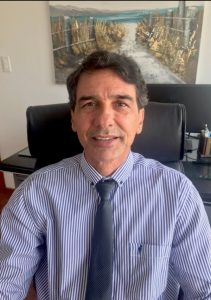
NIS07. Brain-Computer Interface, Robotic Devices, and Non-Invasive Brain-Muscular Stimulations for Rehabilitation of Chronic Stroke
Organizers:
- Prof. Teodiano Bastos-Filho, Universidade Federal do Espírito Santo, Brazil
Abstract: Chronic stroke generally refers to the period beyond 6 months after a stroke, when the most spontaneous recovery has plateaued. Recent works in chronic stroke rehabilitation have used different non-invasive brain-muscular stimulations, such as transcranial Direct/Alternating Current Stimulation (tDA/CS), Transcranial Magnetic Stimulation (TMS), transcutaneous Auricular Vagus Nerve Stimulation (taVNS), and Functional Electrical Stimulation (FES). In addition, other works have Brain-Computer Interface (BCI) based on Motor Imagery (MI) to command robotic devices to provide repetitive, task-specific therapy for arms and legs, with the aim to stimulating neuroplasticity—the brain’s ability to reorganize and form new connections after a stroke.
This Special Session explores the use of different technologies for chronic stroke rehabilitation. It brings together healthcare professionals, researchers, and companies to discuss the benefits of the integration of these emerging technologies. The session will highlight the need to propose the design of new therapies for chronic post-stroke patients with complete paralysis of the upper and/or lower limbs, for whom there is no other treatment therapy in the world that allows them to recover the lost movements.
Topics of interest:
1. Chronic Stroke
2. Transcranial Direct/Alternating Current Stimulation
3. Transcranial Magnetic Stimulation
4. Transcutaneous Auricular Vagus Nerve Stimulation
5. Functional Electrical Stimulation
6. Brain-Computer Interface
7. Robotic Devices.
NIS08. Peripheral Stimulation for Movement Disorders Management: Mechanisms, Technologies and Clinical Translation
Organizers:
- Nish Kurukuti, Northwestern University, Chicago, USA
- Jose L. Pons, Shirley Ryan AbilityLab, Northwestern University, Chicago, USA
Abstract: Peripheral electrical stimulation (PES) has gained interest as a non-pharmacological option for managing movement disorders, and in particular tremor in conditions such as Parkinson’s disease and essential tremor. Despite decades of experimentation, only a limited subset of PES strategies has moved beyond laboratory studies, and sustained at-home use remains rare. This special session will bring together researchers and clinicians working on efferent and afferent stimulation approaches, closed-loop and open-loop systems, and novel technological solutions designed to make PES more precise, tolerable, and clinically viable. The session will examine the current evidence base, compare competing hypotheses on how PES influences PNS and CNS circuitry, and review the assessment methodologies used to quantify movement disorders. The discussion will highlight practical barriers—comfort, safety, fatigue, and device usability—that have slowed clinical adoption, while identifying the advances needed to move PES from promising prototypes to impactful therapeutic tools.
Topics of interest:
1. Landscape of PES approaches: efferent vs. afferent stimulation, open-loop vs. closed-loop paradigms.
2. Current evidence base for tremor suppression: acute reduction levels, durability of effects, and comparison to pharmacological treatments.
3. Mechanistic hypotheses: disruption of central oscillatory networks, modulation of peripheral feedback loops, and co-contraction strategies.
4. Assessment methods for tremor quantification, including motion capture, EMG-based measures, wearable sensors, and clinical scales.
5. Technical limitations hindering translation: muscle fatigue, discomfort, inconsistent motor unit recruitment, and difficulty scaling to home use.
6. Safety and regulatory considerations for chronic deployment of PES devices.
7. Design requirements for next-generation systems: improved feedback signals, adaptive controllers, more ergonomic electrode placement, and user-centered device design.
8. Clinical trial readiness: evidence gaps, methodological issues, and pathways toward robust, longer-term, real-world studies.
NIS09. Frontiers in EMG-guided bioengineering to improve neuromotor control in neurorehabilitation
Organizers:
- Jinsook Roh, University of Houston, USA
- Marc Slutzky, Northwestern University, Chicago, USA
Abstract: Surface electromyography (sEMG) is a widely used, non-invasive technology in rehabilitation research. It provides the myoelectric output of a muscle, which can be used to assess neuromuscular outcomes and to guide the development of new bioengineering applications aimed at improving sensorimotor function after neurological injuries.
This Special Session will provide examples of how neuromotor control in individuals with stroke or spinal cord injury can be modified and improved using bioengineering interventions – such as myoelectric interfacing and robotics – to enhance the motor function. In particular, we will present how gamified EMG-guided human-machine interaction can influence upper-limb neuromuscular coordination and brain activity in chronic stroke patients.
We will also show how a similar gamified, myoelectric interface system can be used to reduce
abnormal muscle co-activation patterns to improve arm and leg movement and function after stroke. This system can be augmented with a sleep-based training paradigm called targeted memory
reactivation. We will also discuss how proprioceptive feedback can be leveraged in the use of EMGcontrolled robotic exoskeletons for hand-grasp assistance in neurorehabilitation. Finally, we will show that wearable electromyographic sensors can allow people with spinal cord injury to perform repetitive muscle activation to control games, which participants report as enjoyable, conducive to high dosages of muscle activity, and in some cases associated with improved upper-extremity function. A panel discussion on the current challenges in the field will follow.
Topics of interest:
1. Gamified myoelectric interfacing to improve motor coordination after stroke
2. Wearable myoelectric interface for neurorehabilitation to reduce abnormal co-activation
after stroke. Enhancement of motor control with sleep-based training (targeted memory
reactivation)
3. EMG-controlled robotic exoskeleton for hand-grasp assistance
4. Wearable electromyographic sensors facilitating repetitive muscle activation in gamified SCI
rehabilitation
NIS10. Clinical study on QEEG-guided precision neuromodulation
Organizers:
- Seung-Wan Kang, CEO, iMedicine Inc.; Professor, College of Nursing, Seoul National University
Abstract: This comprehensive overview presents proof-of-concept and clinical outcomes from diverse studies applying personalized neuromodulation techniques based on QEEG analysis, demonstrating the potential for normalizing brain waves and improving symptoms across multiple domains, including addiction, mild cognitive impairment, and stroke. Alcohol addiction study demonstrates that, in individuals at low to moderate risk for alcohol use disorder, a five-week course of transcranial photobiomodulation (tPBM) significantly reduced alcohol craving and dependence, whereas transcutaneous auricular vagus nerve stimulation (taVNS) showed no significant effects, and no additional benefit was observed from combining the two interventions. Another study shows that QEEG-guided personalized transcranial photobiomodulation (tPBM) led to significant cognitive improvement, reflected by increased MoCA scores and normalization of pathological slow-to-fast EEG power ratios, indicating recovery of dysfunctional brain activity associated with mild cognitive impairment. Promising case study results using QEEG-guided neuromodulation have also been observed in stroke patients, paving the way for a clinical study. We plan to provide additional details on this as well.
NIS11. Emerging Neuroengineering Technologies for Personalized Neurorehabilitation and Diagnostics
Organizers:
- Han-Jeong Hwang, Korea University
Abstract: The field of neurorehabilitation is rapidly evolving through the convergence of precision medicine and advanced engineering approaches aimed at maximizing neural plasticity and therapeutic outcomes. This special session explores the integration of cutting-edge neuroengineering technologies for the diagnosis and rehabilitation of various neurological conditions, including stroke, cognitive impairments, and cerebrovascular disorders.
This session highlights recent breakthroughs across three core pillars. First, in the domain of non-invasive brain stimulation (NIBS), we discuss the efficacy of optimized and individualized protocols—such as tDCS and tACS—in enhancing upper extremity function and cognitive abilities in patients. Second, regarding Brain-computer interfaces (BCI) and neural decoding, we introduce novel deep learning architectures, including ensemble attention-gated frameworks for speech imagery reconstruction, and explore methods to modulate BCI performance through physiological control, such as respiratory patterns. Third, in the area of biosignal-based diagnostics and evaluation, the session presents research on longitudinal EEG markers for tracking motor recovery post-stroke and comparative analyses for differentiating between ruptured and unruptured aneurysms.
By bridging the gap between engineering innovation and clinical application, this session aims to provide multidisciplinary insights into how these technologies can revolutionize diagnostic accuracy and rehabilitation efficiency in clinical settings.
Topics of interest:
1. Optimized and individualized non-Invasive brain stimulation
2. Intelligent Brain-Computer Interfaces
3. Neurophysiological Biomarkers
4. AI-driven biosignal analysis
5. Multimodal intervention and modulation
6. Clinical translation in neurological disorders
NIS12. Brain-Computer Interface for Stroke Rehabilitation Based on Motor Learning Principles
Organizers:
-
- Prof. Dr. Natalie Mrachacz Kersting, BrainLinks-BrainTools Center, IMBIT, Albert-Ludwigs University of Freiburg and Institute of Sport and Sport Science, Albert-Ludwigs-Universität Freiburg, Germany
- MD. Dr. Donatella Mattia, Fondazione Santa Lucia IRCCS, Neuroelectrical Imaging and BCI Laboratory Italy
- Dr. Juan Moreno, Grupo de BioRobótica del Centro de Automatización y Robótica del CSIC, Spain
- MD. Dr. Floriana Pichiorri, Fondazione Santa Lucia IRCCS Neuroelectrical Imaging and BCI Laboratory, Italy
- PhD. Candidate, José Jesús Hernández Gloria, Institute of Sport and Sport Science, Albert-
Ludwigs-Universität Freiburg, Laboratory for Biomedical Microtechnology, Department of
Microsystems Engineering-IMTEK, University of Freiburg, Germany
- PhD Giovanni Corvini, Center for Automation and Robotics, Spanish National Research Council,Spain
Abstract: According to the World Health Organization (WHO), around 15 million people worldwide suffer a stroke each year, and over 100 million live with its long-term consequences (World Stroke Organization, WSO). Beyond its high mortality, stroke remains the leading cause of long-term disability, often resulting in severe motor impairments that compromise mobility and independence. Among these, walking recovery is one of the primary goals of rehabilitation, as regaining gait function is essential for autonomy and quality of life.
Rehabilitation depends on the brain’s capacity for neuroplasticity, which can be enhanced through motor learning-based approaches. Recent advances show that Brain-Computer Interfaces (BCIs) can promote such plasticity by establishing a closed-loop connection between the brain and external effectors, enabling the reinforcement of intentional movement through sensory feedback.
This special session will explore how motor learning principles and neural mechanisms can be integrated into BCI-based rehabilitation, with a particular emphasis on lower-limb recovery and walking restoration after stroke. Discussions will address optimal feedback strategies, task-specific training, adaptive control, and methods to quantify neuroplasticity using EEG- and EMG-based measures. By bridging neuroscience, motor learning, and technology, the session aims to advance more effective and individualized neurorehabilitation strategies to restore walking ability after stroke.
Topics of interest:
1. Stroke rehabilitation and Motor Learning
2. Brain-Body computer interface (B-BCI) and Neuroplasticity
3. Adaptive and personalized control strategies for stroke rehabilitation
4. Neuroprosthetic systems for motor recovery
NIS13. Sensory Neuromodulation via Peripheral Stimulation: its Promising Future and Challenges
Organizers:
-
- Prof. Hangue Park, Department of Biomedical Engineering, Sungkyunkwan University
- Prof. Jeonghee Kim, Department of Electronic Engineering, Hanyang University
- Prof. Yeongjun Lee, Department of Brain and Cognitive Sciences, Korea advanced Institute of science and technology
Abstract: Sensory signals from multiple sensory organs deliver information about the world and the self, which are used to guide the nervous system to perceive the status and produce desired motor commands. However, in many cases, sensory information is delivered with errors. Further, the errors are inconsistent, and therefore even calibration is challenging for the nervous system. As a result, multisensory signals usually mismatch with each other and nervous system tries its best to estimate the correct information with clear limitations. The effort of sensory correction becomes even more challenging after neurotraumas such as stroke and spinal cord injury, which fundamentally limit the rehabilitation efficacy. To address these problems in a practical way that people can easily adopt and utilize, sensory neuromodulation techniques via peripheral stimulation have been actively developed. Also, flexible neuroprosthesis has been actively developed for these sensory neuromodulation functions to be incorporated in wearable or implantable device with a small form factor. In this session, we organized multiple interesting talks about the sensory neuromodulation techniques and flexible neuroprosthesis.
Topics of interest:
1. Sensory neuromodulation
2. Human augmentation and Motor learning
3. Neuroprosthesis
4. Stretchable sensor
Clinical Translation and Industry Track (CTITrack)
CTIT01. Remote Palpation & Human-Look-Through Tele-Exams: Extending Clinical Touch with Sensory-Intelligent Robotics
Organizers:
- Shingo Shimoda, Nagoya University, Japan
- Zen KOH, MotusAcademy, Singapore
Abstract: Reliable tele-examination requires more than video: clinicians need to see, feel, and quantify tissue response at a distance. This special session, led by Zen KOH and Shingo Shimoda, focuses on two converging capabilities—remote palpation and human-look-through perception—that bring “clinical touch” and expert visual reasoning to tele-medicine. We will showcase systems that couple high-fidelity force/pressure sensing with robotic actuation, fused with multi-modal perception (RGB-D, thermal, ultrasound, wearable signals) and explainable algorithms that expose what the system felt, saw, and inferred—together with uncertainty and safety bounds.
Talks will translate clinical problem lists (especially in hand and upper-limb assessment) into engineering roadmaps: sensor design and calibration; inverse models of soft tissue; intent-aware and patient-specific control; low-friction clinician UX; and interoperability for secure data flow. Case studies will address triage, remote follow-ups, and hospital-at-home scenarios, highlighting measurable gains in access, throughput, and safety.
Beyond prototypes, the session emphasises service-grade reliability: device and network QoS, on-edge safety interlocks, calibration drift management, human-in-the-loop overrides, and validation methods (bench-to-bedside, clinician A/B testing, and multi-centre trials). The goal is a reproducible pathway from tele-exam to tele-touch—turning isolated demos into scalable clinical services.
Topics of interest:
1. Remote palpation: force/pressure sensing, compliant actuation, haptic rendering
2. Human-look-through: multi-modal perception (RGB-D, thermal, ultrasound), explainable vision3. 3. Soft-tissue modelling and inverse estimation for quantitative tele-assessment
4. Intent/affect sensing and human-in-the-loop safety during tele-manipulation
5. Upper-limb/hand assessment and rehabilitation use cases
6. Muscle-activity estimation with anatomical constraints; sensor fusion with wearables
CTIT02. Mechatronic ankle foot orthoses – novel concepts and barriers to translation
Organizers:
- Dr. Giacomo Severini, University College Dublin, Ireland
- Dr. Ivan Vujaklija, Aalto University, Finland, Dr. Tom Verstraten (Vrije Universitet Brussels)
- Dr. Tom Verstraten, Vrije Universitet Brussels, Belgium
Abstract: Mechatronic ankle foot orthoses (MAFOs) have been proposed, in recent years, as a means for improving gait assistance and rehabilitation in neurologically impaired individuals and as a tool for augmenting gait functions in healthy individuals. Several research based MAFOs have been developed in the past two decades, and this body of work has shown that these devices can provide benefits to stroke survivors and decrease energy expenditure during gait in unimpaired individuals. However, the solutions proposed in the scientific literature have seldom translated into commercial products targeting the assistive technology and human augmentation markets. The successful translation of devices into commercial products depends not only on the impact they have on the users but also on their commercial viability. For this, it is important to consider, during the development of a MAFO, the requirements of all stakeholders and business-related factors, that are aspects of device development that are commonly not covered in the scientific setting. In this special session we want to explore technological and commercial roadblocks to the effective translation of MAFO solution into market products for assistance, rehabilitation and human augmentation. The talks will cover topics ranging from needs analysis, novel technological solutions for MAFOs and control.
Topics of interest:
1. Ankle foot orthosis
2. Smart control
3. Rehabilitation Robotics Design
CTIT03. NRC, RehabHRC, EMERGE and MotusAcademy: A Life-Course, Evidence-Driven Pathway from HealthTech Innovation to Adoption
Organizers:
- Rui Loureiro, NRC, UK
- Vicky Booth, RehabHRC
- John Hunt, EMERGE
- Zen KOH, MotusAcademy, Singapore
Abstract: The National Rehabilitation Centre (NRC) in the UK is establishing an integrated environment that brings clinical delivery, research translation, training and evaluation together in one purpose-designed setting. This special session highlights how the NRC, working with two major UK initiatives, the NIHR HealthTech Research Centre in Rehabilitation (RehabHRC) and the UKRI-funded EMERGE RehabTech programme, is shaping a coherent pathway that accelerates rehabilitation technologies from early concept to routine and equitable clinical use.
RehabHRC, launched in 2024 within a £41m NIHR initiative, provides engineering, clinical and PPIE capabilities for developing and de-risking technologies across childhood, working age and older adulthood. EMERGE, launched in 2025, complements this by supporting the adoption of new rehabilitation technologies within UK health and care pathways. Its focus includes improved outcomes, economic growth and the reduction of health inequalities.
The NRC acts as the clinical anchor and implementation environment. This enables innovations emerging from RehabHRC and EMERGE to be evaluated, refined and embedded into real-world rehabilitation delivery. In parallel, MotusAcademy contributes an international perspective on workforce skills, implementation methods and evidence generation. These insights offer useful comparisons and potential approaches for building safe and scalable adoption ecosystems. Together, these perspectives outline a practical, life-course pathway that connects early innovation, multi-site evaluation and sustainable clinical deployment.
Case examples will include participation-enabling technologies such as AI, sensing and home-based access, active and passive systems including wearables, exoskeletons and end-effectors, and performance evaluation techniques using digital measures, adherence and motivation. Attendees will take away:
(i) a repeatable pathway from concept to multi-centre studies; (ii) PPIE methods for relevance, inclusion and equity; (iii) governance and interoperability checklists; and (iv) complementary insights into training and implementation models that support future adoption and commissioning.
Topics of interest:
1. Life-course rehabilitation: childhood, working age, older adults
2. Enabling participation: AI, smart sensing, equitable access and home deployment
3. Supporting rehabilitation: active/passive devices, wearables, exoskeletons and end-effectors
4. Evaluating performance: digital measures, adherence/motivation, real-world evidence
5. Health economics and reimbursement-ready outcomes (ADLs, mobility, return-to-work)
6. Interoperability, data governance, and multi-centre implementation playbooks
CTIT04. AI and Neurorehabilitation: the regulatory, ethics and education landscape
Organizers:
- María Amparo Grau Ruiz, Universidad Complutense de Madrid, Madrid, Spain
- Jose L. Pons, Shirley Ryan AbilityLab, Northwestern University, Chicago, USA
Abstract: Robotics is rapidly reshaping neurorehabilitation, but its real-world adoption still depends on navigating a mix of regulatory, ethical, and educational questions that remain only partly resolved. This session will bring together researchers, clinicians, and policymakers to reflect on how new robotic and AI-driven systems fit within existing approval pathways, in the context of public policies, and what evidence is needed to support safe and sustainable clinical use. Discussions will also touch on responsibility and risk during human–robot interaction, the protection and long-term management of patient data, and the broader ethical implications of increasing autonomy in therapeutic devices. Some potential effects derived from the evolution in the international legal framework on the use of AI impacting human rights will be explored. A final focus will be on how training programs for clinicians and students must evolve so that the workforce is prepared for robotics to become a routine part of rehabilitation practice.
Topics of interest:
1. Regulatory approval processes and standards for rehabilitation robotics and AI-enabled systems. The role of public policies: roadblock or support? Incentives for responsible innovation
2. Common ground offered by international legal instruments that may have an impact on research, development and implementation
3. Ethical considerations related to data protection, transparency, and patient autonomy.
4. Practical challenges in integrating robotic systems into existing clinical workflows and reimbursement models.
5. Training needs for clinicians, engineers, and students working with rehabilitation robotics.
6. International perspectives on policy alignment and equitable access to interactive robotic technologies.